Contents
The experiential marketing ideas that drive ROI have one thing in common: they give each guest something personal to take away, and they capture data while doing it. Not a branded tote. Something made for that person, in that moment, that they want to keep and post. Photo walls, prize wheels, and swag tables still fill a floor plan, but they produce impressions rather than pipeline. The twelve ideas below are organized by what they actually return: dwell time, qualified leads, organic social reach, or post-event recall.
Below you will find how each idea works, what it costs you operationally, and which event types it suits, plus the measurement framework that makes any of them defensible to a CFO. The Aura Journey has run mobile aura photography activations at events nationwide since 2019, so a lot of what follows comes from watching which booths hold a line and which ones empty out by 2pm.
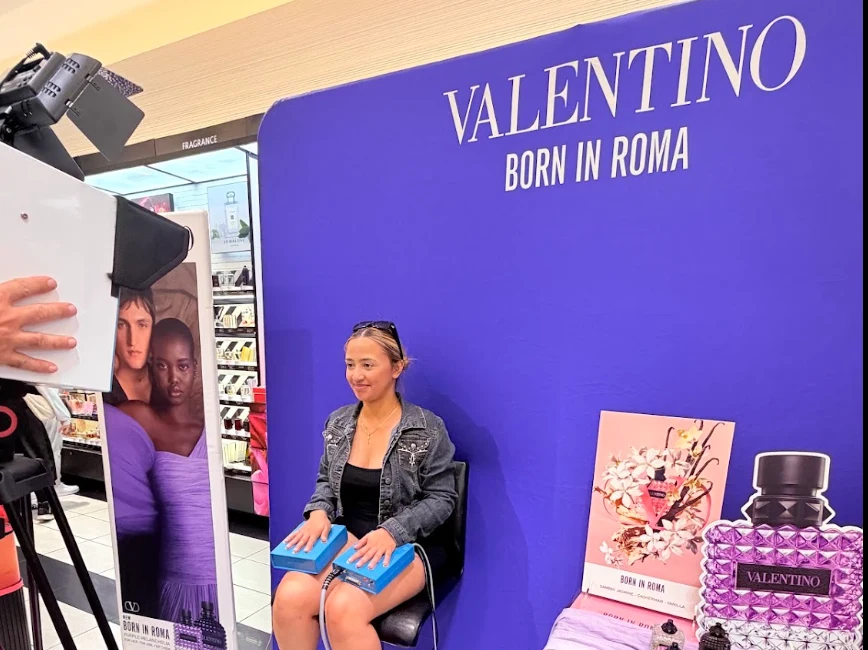
There is a moment at every aura booth when a guest watches their portrait develop in their hands, then leans in while our on-site reader walks them through the colors. That moment, live and personal, is nothing like reading about it, and it is the reason a line forms and stays. If you want that at your activation, you can see what this looks like at your event and our team will build the package around your goals.
Read more: Trade Show Booth Ideas to Increase Foot Traffic and Generate More Leads
What is experiential marketing?
Experiential marketing is a strategy that engages an audience through a live, participatory experience rather than a passive message. Instead of showing someone an ad, you give them something to do, try, or take away. The term is sometimes used interchangeably with event marketing, but they are not the same thing: event marketing is about presence at an event, while experiential marketing is about what the audience actually does once they are there.
The benefits usually cited are longer engagement per person, stronger recall, first-party data capture, and social sharing that extends beyond the guest list. What separates a good activation from a decorative one is whether those benefits were designed in or just hoped for.
Why most experiential marketing ideas fail the ROI test
Ask a planner what went wrong last year and the answer is rarely "nobody came." Usually plenty of people came, had a nice time, and left no trace in the CRM. Foot traffic is easy. Attribution is where most concepts quietly fall apart.
The industry has shifted on this. According to Event Marketer's EventTrack 2026 benchmark study, which surveyed over 1,000 Fortune 1000 marketers and attendees, 61% of consumers say they are more inclined to purchase after an event, and 85% of B2B attendees come away feeling more educated. Those are real numbers to build a case on. But they only materialize when the activation is designed to produce something measurable, not just something pleasant.

Before evaluating the ideas below, it helps to have a filter. A high-ROI activation usually does at least three of these four things:
Holds a guest in place long enough for a real conversation, not a ten-second pass-through
Produces a natural, non-awkward reason to collect an email or badge scan
Sends the guest away with a physical or digital object carrying your branding
Gives them something worth posting without being bribed to post it
Anything that does none of those is decoration. Decoration has its place, but do not put it in the ROI column.
12 experiential marketing ideas, sorted by what they return
Grouped by primary return, so you can match the idea to whatever your event is judged on. Most work across brand activations, conferences, and internal corporate programs with minor adjustments.
Ideas that maximize dwell time
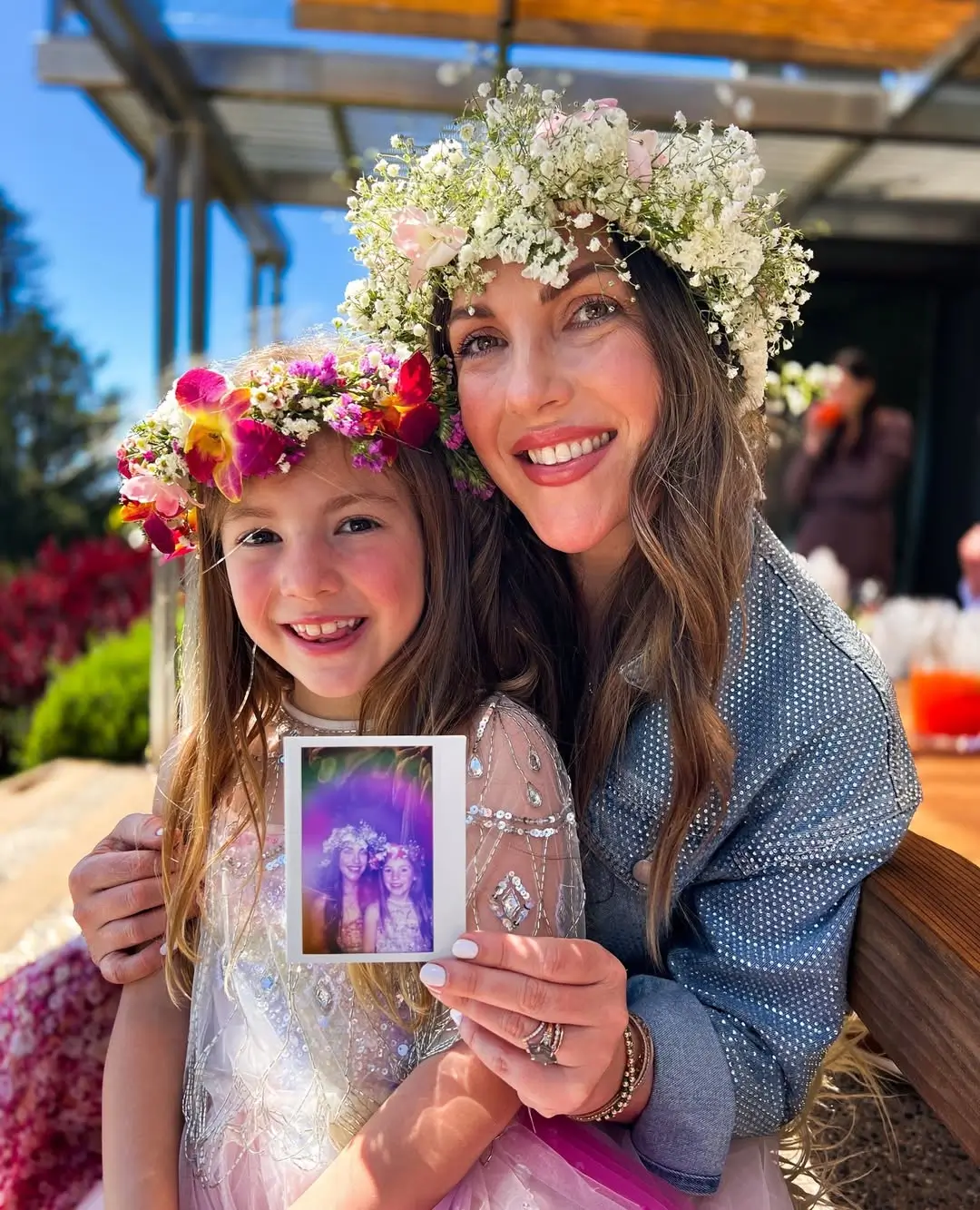
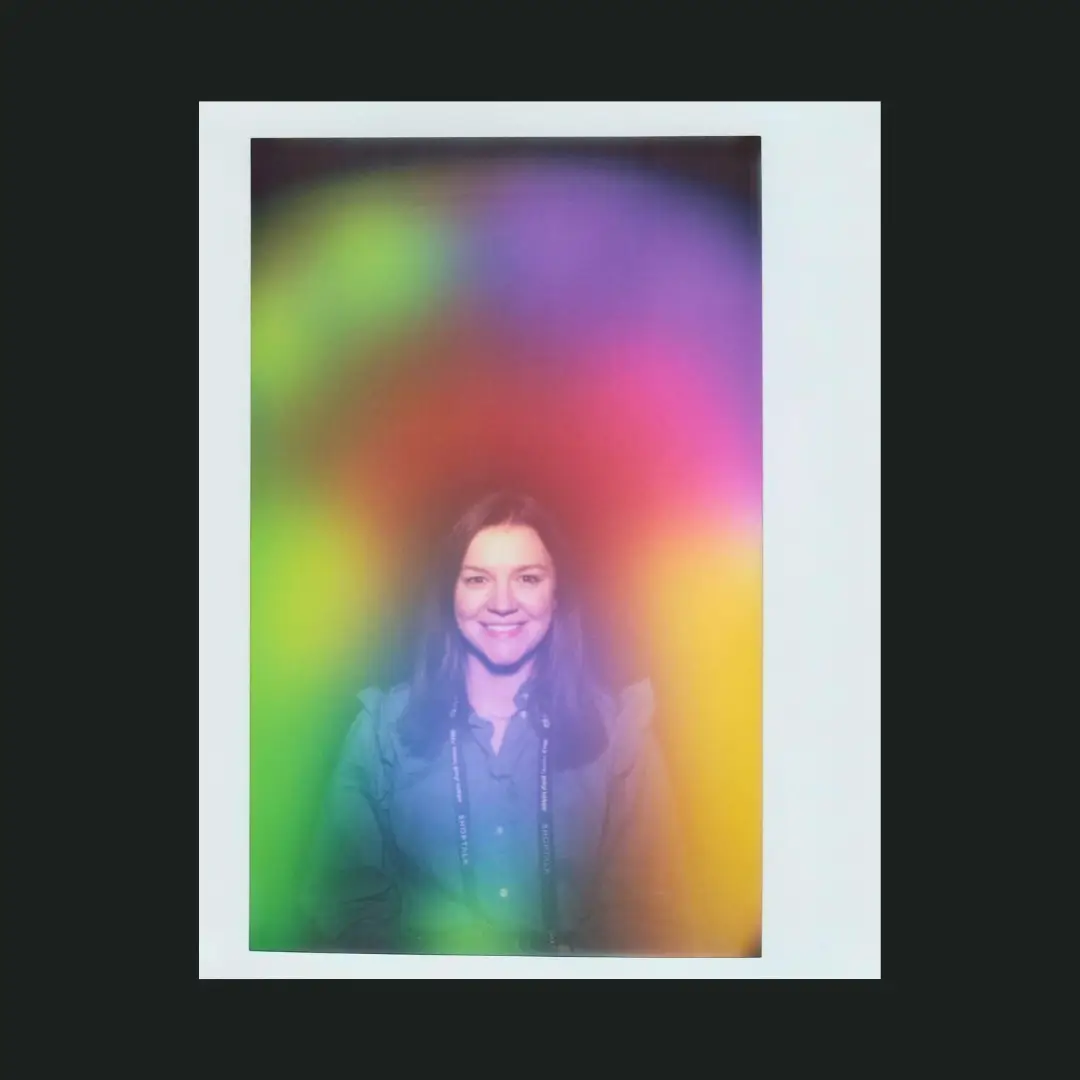
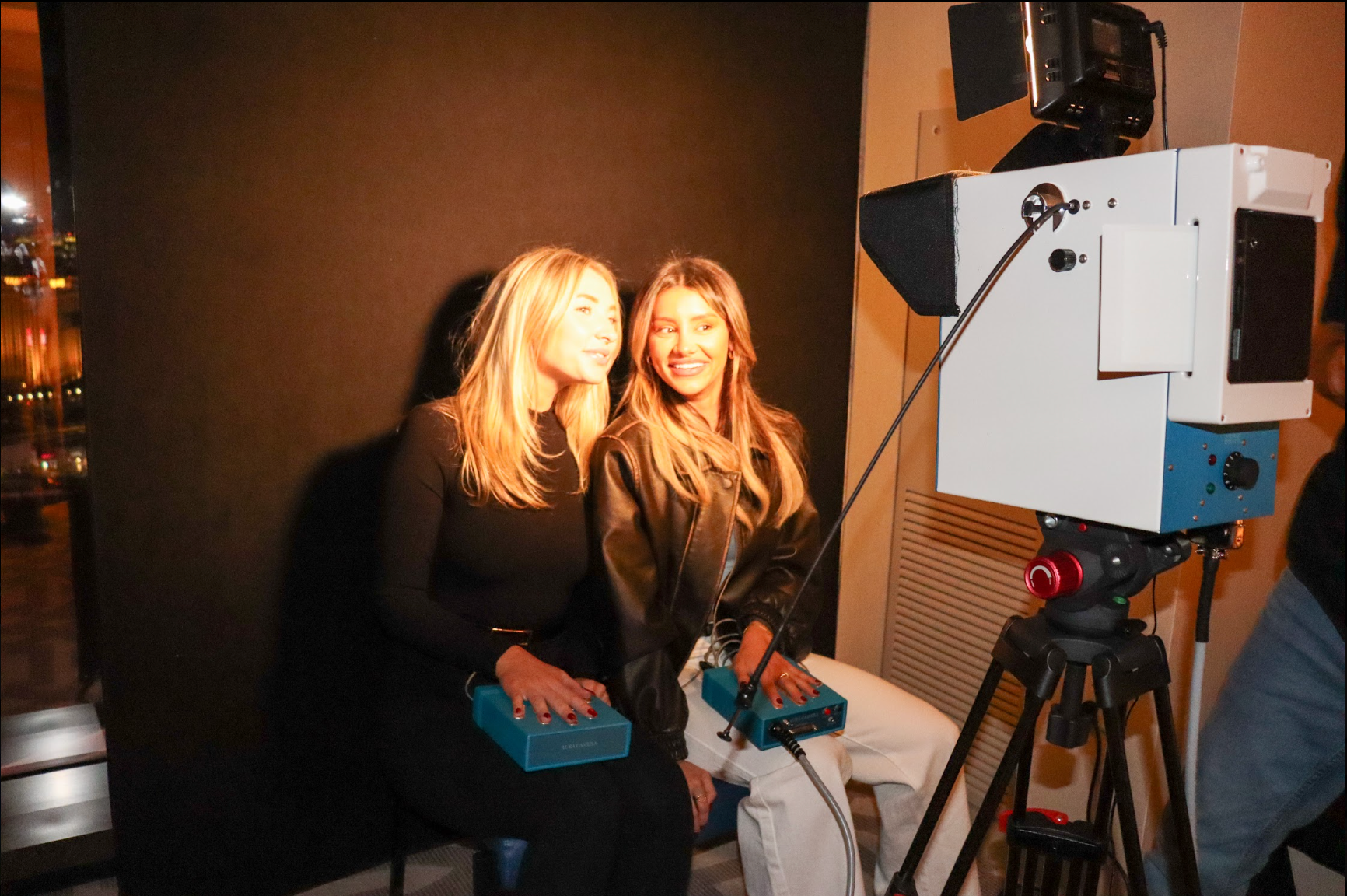
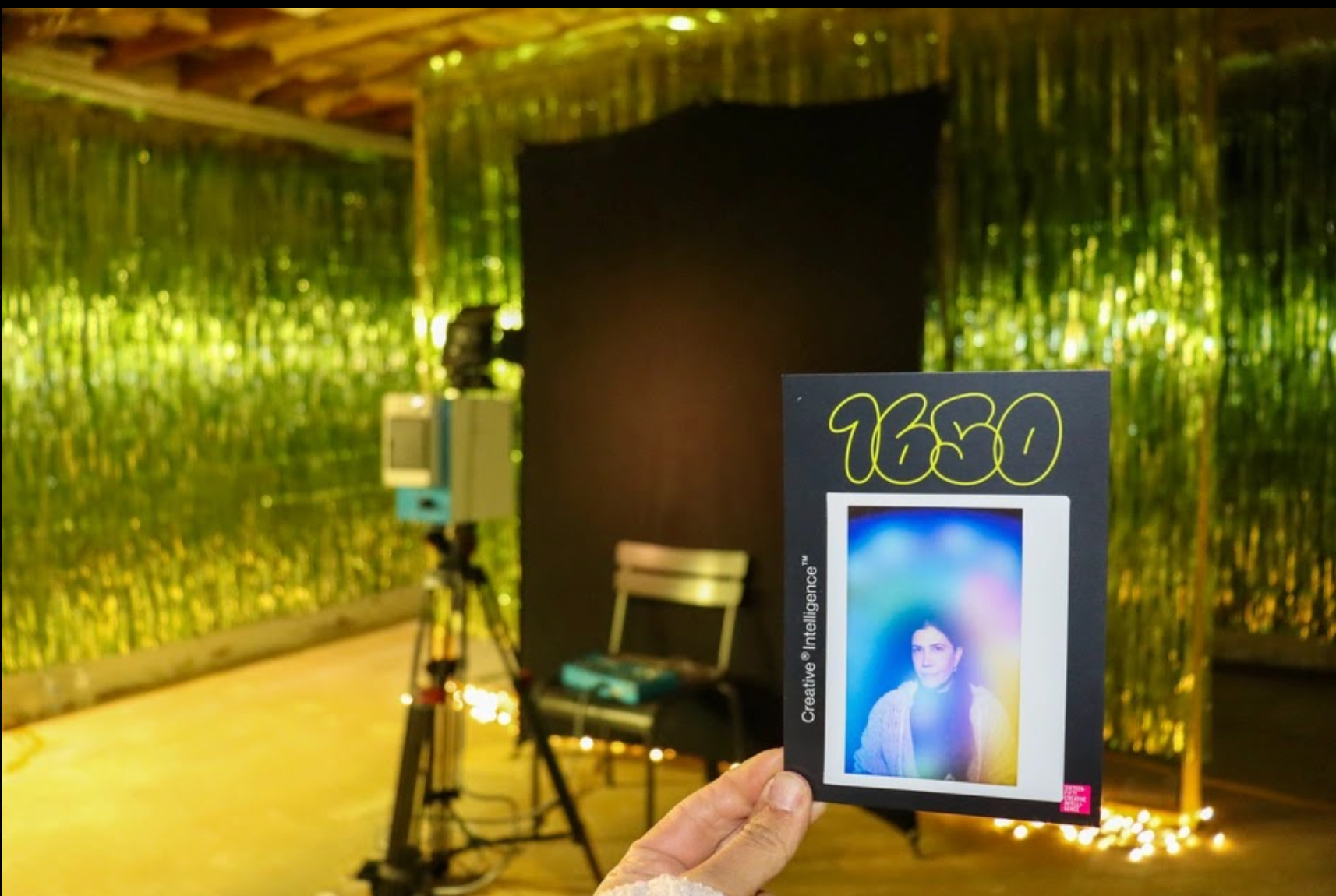
1. Personalized portrait experiences. Anything that produces a one-of-a-kind image of the guest holds attention far longer than a backdrop. Aura photography is one version of this: the guest sits, places their hands on sensors, and waits while a portrait develops and someone interprets it for them. That is a several-minute interaction by design, not by accident. Caricature artists and instant-film portrait studios work on the same principle.
2. Live craft or customization stations. Perfume blending, leather stamping, custom embroidery on a garment the guest picked. The wait itself is the activation. The trade-off is throughput, which is why these suit smaller VIP events better than a 3,000-person expo hall.
3. Skill challenges with a leaderboard. A putting green, a reaction-time game, a timed build. Competition brings people back a second and third time, and a leaderboard gives your staff a natural reason to take a name and a contact.
Ideas that generate qualified leads
4. Diagnostic or assessment activations. A short quiz, scan, or profile that produces a personalized result the guest actually wants. The result is the value exchange, so asking for an email to send it feels reasonable rather than extractive. This converts far better than a fishbowl.
5. Gated demo experiences. Reserve a slot for a hands-on product session. The booking step qualifies the lead before they arrive, and no-shows tell you something too.
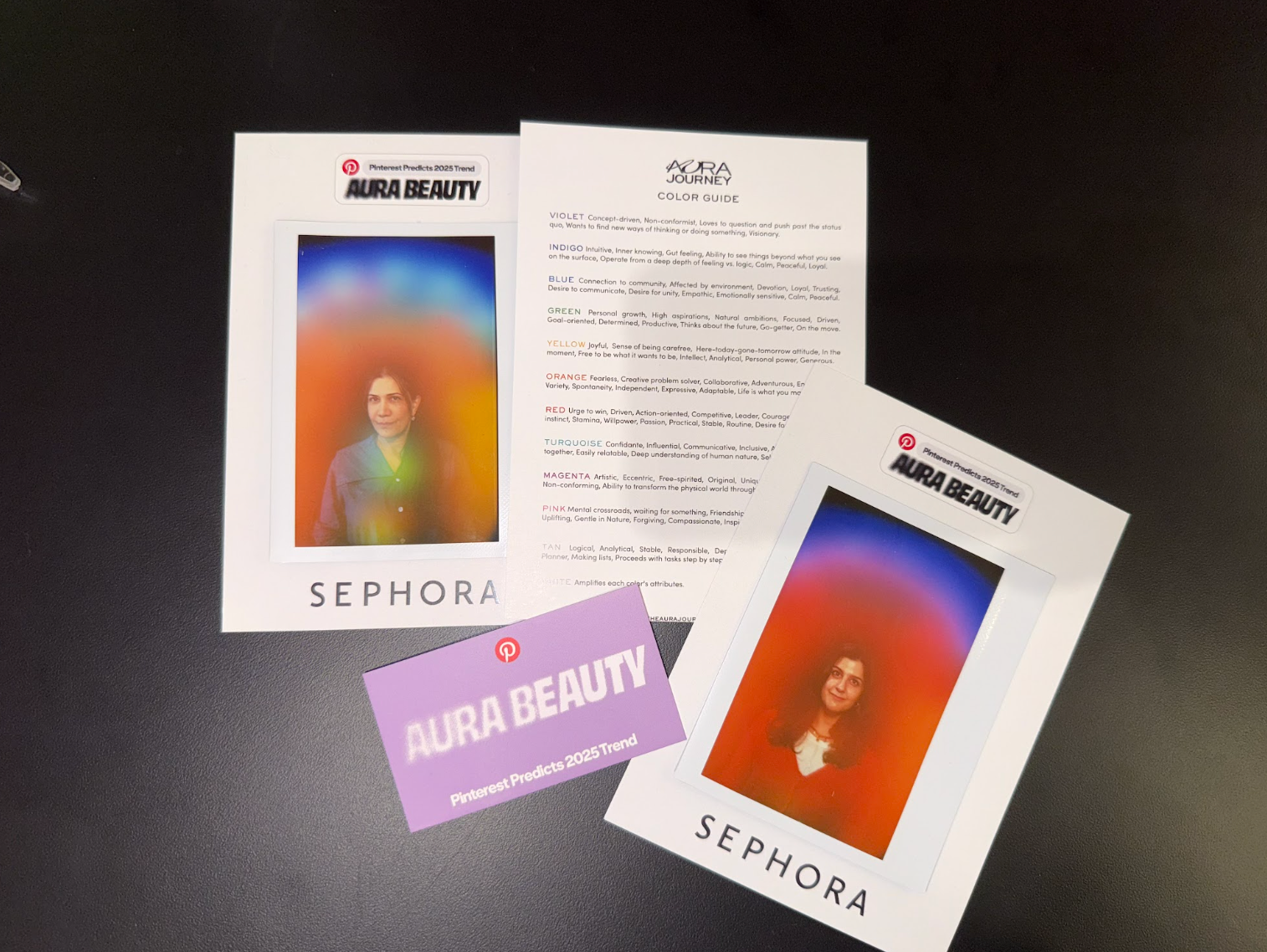
6. Print-to-claim keepsakes. Guests receive a physical print on the spot and opt in to receive the digital version. On a convention floor this quietly doubles as lead capture, because almost everyone wants the file.
Ideas that drive organic social reach
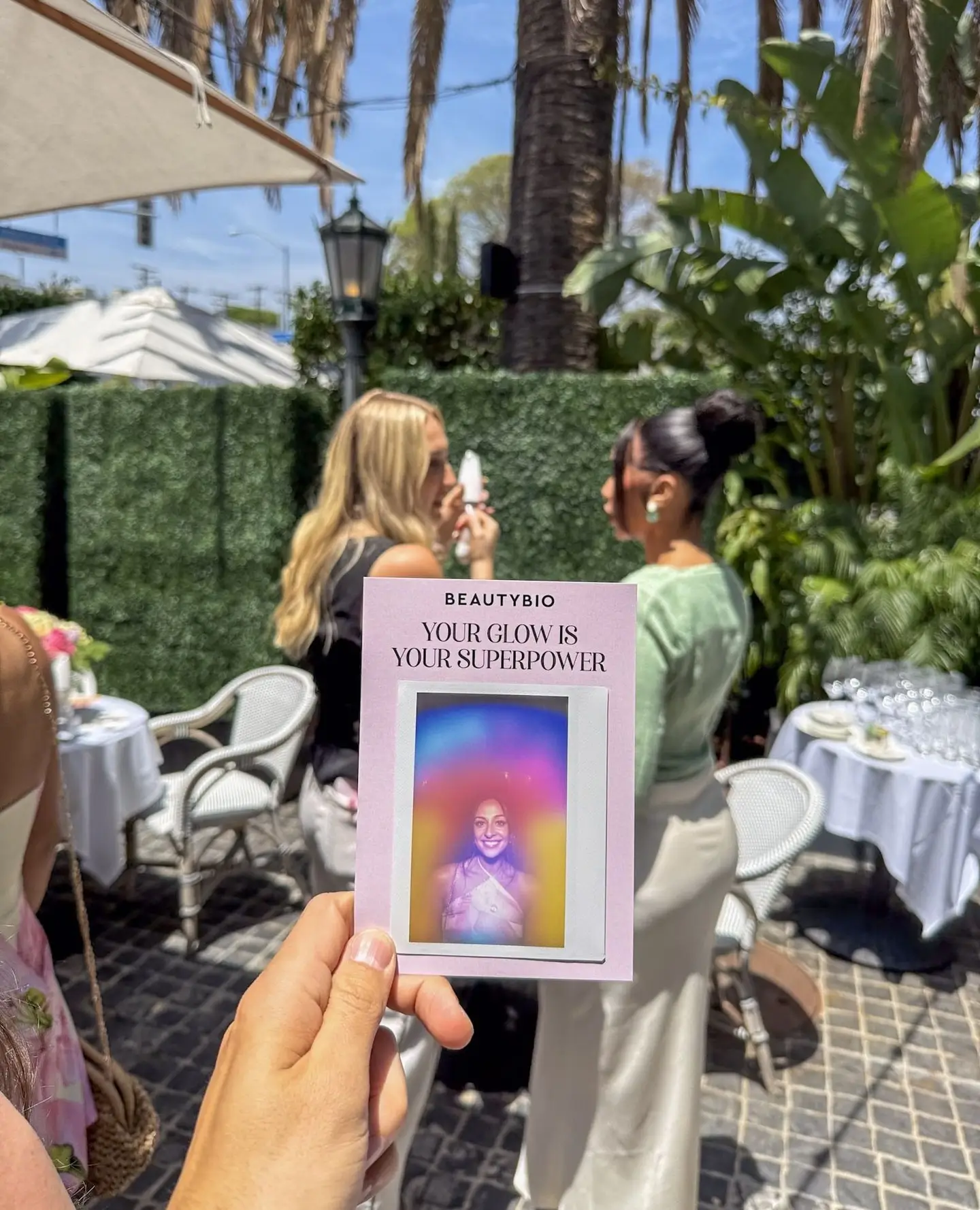
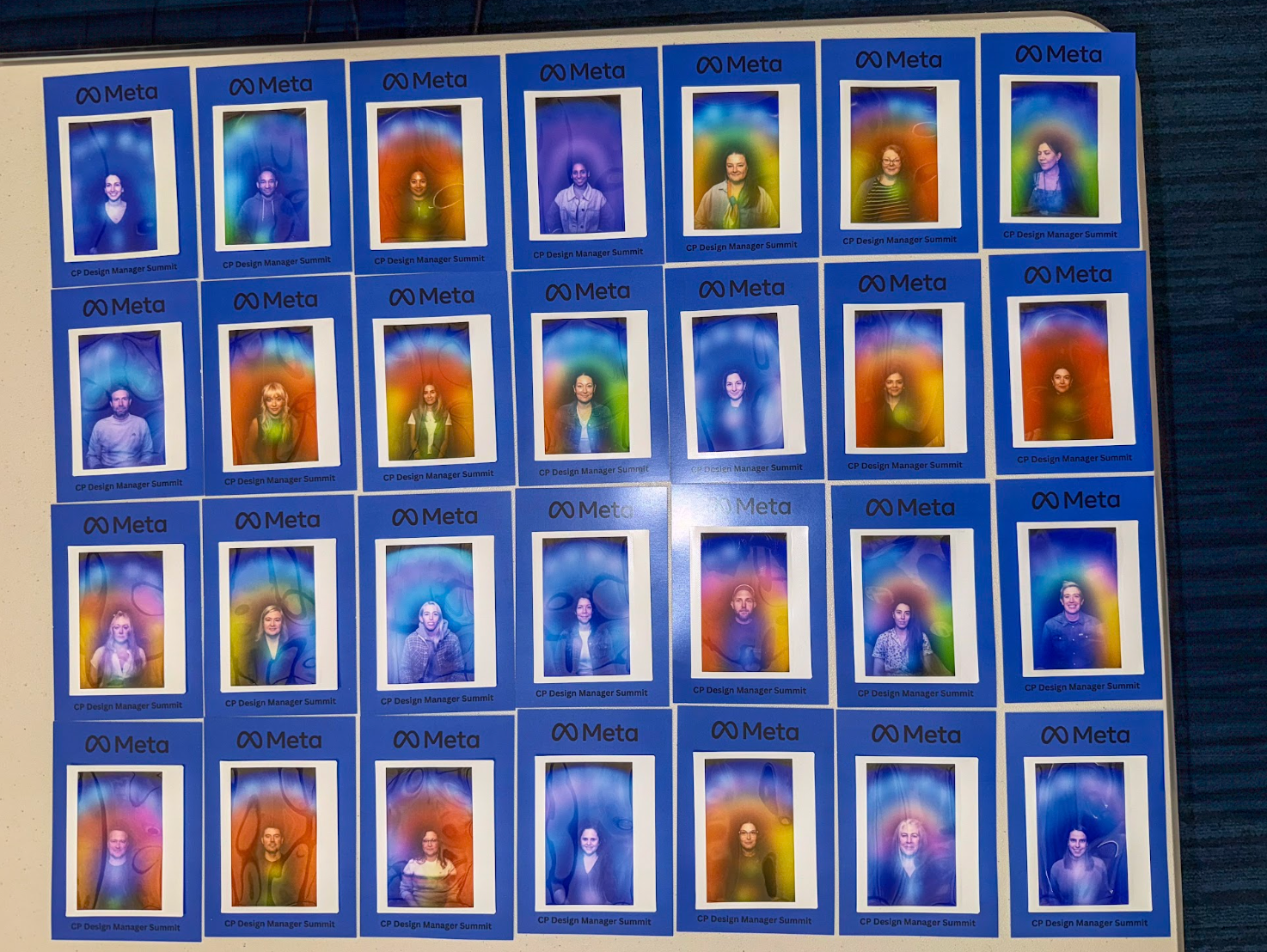
7. Unrepeatable visual results. If every guest gets the same output, nobody posts it. If the output is unique to them, most people do, unprompted. This is the core reason aura portraits travel on Instagram and a step-and-repeat does not.
8. Oversized or architectural installations. A piece of set design genuinely worth photographing. Expensive, and it needs to be good, because a mediocre one gets ignored.
9. Pairs and group formats. Anything two people can do together doubles the sharing surface. At our events, dual-sensor portraits for colleagues and couples get posted at noticeably higher rates than solo ones, because both people share.
Ideas that build post-event recall
10. Objects with a shelf life. A print that ends up on a fridge or a desk keeps working for months. A branded pen does not. The test is whether the guest would keep it if your logo were not on it.
11. Serialized or returning activations. Run the same experience at three events in a season and let guests build a set. Works especially well for roadshows and multi-city tours.
12. Post-event digital follow-through. A microsite where guests retrieve their result or unlock something extra. This converts an afternoon of goodwill into a measurable second touch, and it is the step most teams skip.
You can see how several of these play out in practice on our portfolio of past activations.
Choosing between experiential marketing ideas
Which one to pick depends on what your floor plan, budget, and headcount allow. This is roughly how the main formats compare in practice.
Format | Guests per hour | Best return |
Step-and-repeat photo wall | Very high | Volume of impressions, minimal depth |
Craft or customization bar | Low | Deep engagement at small VIP events |
Skill game or leaderboard | High | Repeat visits and booth energy |
Hands-on product demo | Low to moderate | Qualified pipeline, longer sales conversations |
Throughput figures for aura photography reflect The Aura Journey's standard per-station capacity. Other formats vary widely by vendor and setup.
Throughput and depth trade against each other, always. If your goal is 2,000 badge scans, do not pick a format built for five-minute conversations, and vice versa.
If dwell time plus lead capture is the column you are measured on, that is the gap mobile aura photography was built for. Our team has run this format for more than 1,500 brands since 2019, from 60-person leadership dinners to multi-day expos, so you can get a custom quote for your event and we will size the setup to your floor plan and guest count.
How aura photography works as an experiential marketing activation
Since aura photography appears several times above, it is worth explaining what actually happens mechanically. The honest version is more interesting than the mystical one.
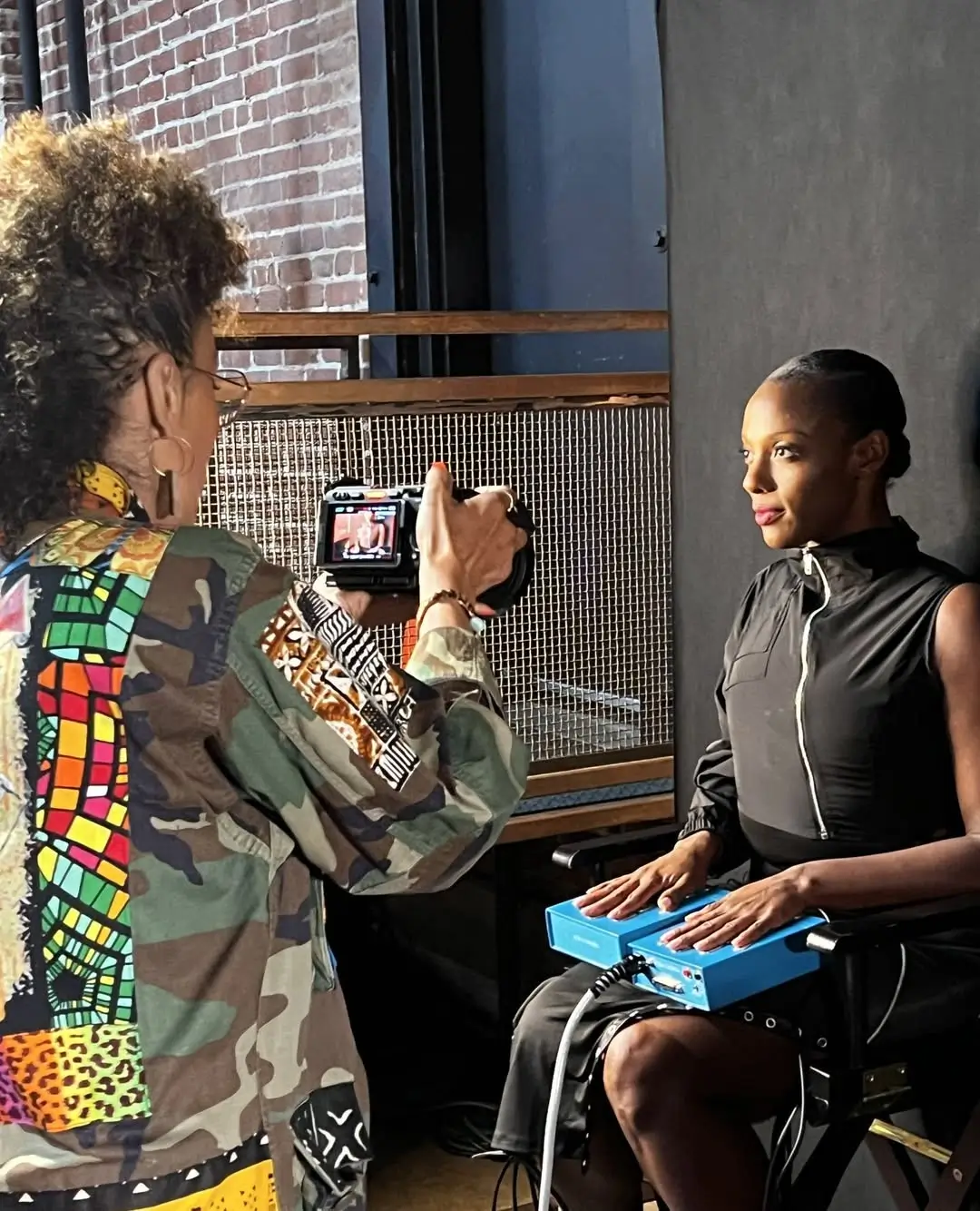
A guest places their hands on two metal plates containing biofeedback sensors. Those sensors measure electrodermal activity, the same family of skin-conductance measurement used in clinical biofeedback and galvanic skin response research, where changes in sweat gland activity alter the skin's electrical conductance. The AuraCam 6000 maps those signal readings to a color palette in real time and superimposes the result over a portrait exposure, producing an instant print.
The lineage goes back further than most people assume. Coronal discharge photography was discovered in 1939 by Semyon and Valentina Kirlian, and as Artsy documented in its history of aura photography, the AuraCam line adapted those methods for instant film in the 1980s. Worth stating plainly: mainstream science does not recognize a measurable human aura, and what the camera produces is a translation of biofeedback data into color, not a validated scan of an energy field. The color interpretations draw on color psychology and reading traditions rather than clinical diagnostics.
That framing matters commercially. Event audiences are skeptical, and a vendor who over-claims makes your brand look credulous. For the longer version of the mechanism, our guide to how aura photography works covers it in more detail, and the aura colors guide covers what each color is commonly associated with.
Planning and measuring an experiential marketing activation
Most activations that underperform were not bad ideas. They were fine ideas booked four weeks late with no measurement plan attached.
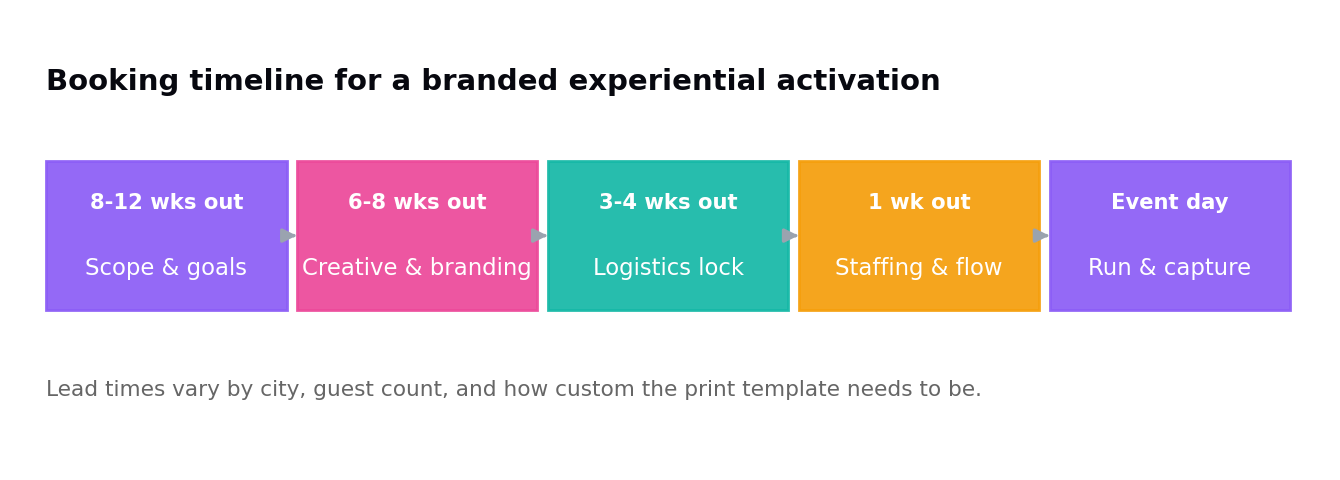
A workable lead time for a branded activation. Custom print templates and multi-city runs need the longer end of each window.
What to lock down early
Footprint and power. Most photo-based stations need roughly a 5x5 area and standard power, though compact setups fit tighter spaces.
Throughput math. Divide expected guests by your event window, then by the format's hourly rate, to see how many stations you need.
Branding assets. Logo files, campaign artwork, and any messaging for the print template. This is the piece that most often delays a build.
Data capture method. Decide before the event whether you are scanning badges, collecting emails for digital delivery, or both.
Staffing at the queue. Someone managing the line is worth more than an extra station.
What to actually measure
Pick your metrics before the event, not after, and keep the list short. Sessions completed, average dwell time, opt-ins captured, and social mentions in the 72 hours after are enough for most programs. Attributing even a handful of opportunities back to the activation makes a stronger case at budget time than any impression count.
Cost varies with location, duration, guest count, and branding complexity, so most vendors build packages rather than publish a rate card. Ask for pricing against a specific guest count and event window, not in the abstract.
Where to book experiential marketing activations near you
The Aura Journey is based in Los Angeles and fully mobile, traveling to events in all 50 states. This is an event-only service, so there is no walk-in studio. The team, cameras, and branded setup come to your venue, worth clarifying early because it is a common point of confusion when comparing vendors.
Hub city | What we see most there |
Agency offsites, influencer events, product launches, festivals across greater LA and Orange County | |
Corporate gatherings, expos, and brand activations across the NYC metro | |
Tech summits and product launches at Moscone Center and Fort Mason | |
Conferences, trade shows, and Strip parties, where the booth doubles as a lead magnet | |
Biotech and pharma conferences, coastal resort galas, San Diego Convention Center | |
Resort galas, leadership retreats, incentive trips, Phoenix Convention Center | |
Retreats, festivals, and desert private events | |
Corporate events, association gatherings, and private celebrations |
Primary hub cities. Events outside these markets are covered through travel, nationwide.
For city-specific planning notes, venue considerations, and typical event types, the New York, Los Angeles, Las Vegas, and San Francisco pages cover each market in more detail. Trade show teams should look at how the format fits conference and expo environments, where booth traffic and badge scans are the whole point.
Hub market dates go quickly in Q2 and Q4, so if you have a venue and rough guest count, you can check dates for your city activation and the team will confirm availability before you finalize the floor plan.
Reading about an activation and standing in front of one are different things. The color that develops, the reader talking someone through it, the print that goes into a bag and comes back out at dinner later, that is the part guests remember and post without being asked. The Aura Journey brings that to events in all 50 states, so when you are ready to give your guests something they will keep, you can book The Aura Journey for your next event and our team will follow up with a tailored package.
TL;DR
The experiential marketing ideas worth budgeting for are the ones that give each guest something personal to keep while creating a natural reason to capture their contact information. Sort your options by whether you need dwell time, qualified leads, social reach, or recall, then pick the format that matches, rather than the one that looks best in a moodboard. Personalized, unrepeatable outputs like aura portraits sit in the useful overlap between all four.
Frequently Asked Questions
1. What is experiential marketing?
Experiential marketing is a strategy that engages an audience through a live, participatory experience rather than a passive message. Instead of showing someone an ad, the brand gives them something to do, try, or take away, on the theory that participation creates stronger recall than exposure.
2. What is an example of experiential marketing?
A branded activation where guests receive a personalized keepsake: a pop-up sampling bar, a hands-on product demo, or an on-site portrait station printing an instant photo with the brand's template. The defining trait is that the guest participates rather than watches.
3. What is the difference between experiential marketing and event marketing?
Event marketing is about presence at an event: sponsoring, exhibiting, or hosting. Experiential marketing is about what the audience does once there, so an activation is usually one component inside a broader event marketing program.
4. What are the benefits of experiential marketing?
Longer engagement per person, stronger brand recall, first-party data capture, and organic social sharing beyond attendees. EventTrack 2026 found 61% of consumers are more inclined to purchase after an event.
5. Why does experiential marketing work?
Participation and personalization create stronger memory encoding than passive exposure, and a physical takeaway keeps prompting recall afterward. It also gives a natural, non-transactional reason for a guest to share contact details.
6. How do you measure experiential marketing ROI?
Measure sessions completed, average dwell time, opt-ins or badge scans captured, and social mentions within 72 hours of the event, then track those contacts through your CRM. Define the metrics before the event, because retrofitting attribution afterward rarely works.
7. How much does experiential marketing cost?
Cost depends on location, duration, guest count, number of stations, and branding complexity, so most vendors quote per event rather than publishing rates. Ask for pricing against a specific guest count and time window.
8. How do you create an experiential marketing campaign?
Start from the metric the event is judged on, choose a format that produces it, then design branding, throughput, and data capture around it. Lock creative assets six to eight weeks out and confirm space, power, and staffing early.
9. What are the best experiential marketing ideas for trade shows?
The strongest trade show formats combine high throughput with a natural data-capture step: personalized print keepsakes, diagnostic quizzes, or gated demos. Booth traffic alone is a weak metric, so pick an idea producing both a conversation and a contact record.
10. Is aura photography real?
The AuraCam 6000 uses real biofeedback sensors that measure electrodermal signals from the hands and map them to colors, so the measurement is real. Mainstream science does not recognize a measurable human aura, and the color interpretations are traditional and interpretive rather than clinical.
11. How many guests can an aura photography station handle per hour?
A single station serves roughly 25 to 45 guests per hour. For larger events, multiple stations keep throughput up without shortening the individual reading.
12. How far in advance should we book an activation?
Eight to twelve weeks is comfortable for a fully branded activation; four weeks often works for a simpler setup. Peak season dates in major markets book earliest.
13. How much space does an aura photo station need?
A standard setup fits comfortably in roughly a 5x5 footprint with access to standard power. Compact configurations work in tighter spaces, and larger builds with custom backdrops need more room.
14. Can the prints be branded with our logo?
Yes. Prints use a custom template carrying your logo, campaign artwork, and event messaging, and backdrops can be branded to match. Artwork is normally needed a few weeks ahead for proofing.
15. Do you travel outside your hub cities?
Yes. The Aura Journey is Los Angeles based and travels to events in all 50 states, with hubs in New York, San Francisco, Las Vegas, San Diego, Phoenix, Palm Springs, and Sacramento.
16. What do guests actually receive?
Each guest receives a full-color Instax Wide aura photo, a live one-on-one interpretation from an on-site expert, and a protective envelope. For branded events the print carries the client's template.
A Note on Aura Photography: Aura photography is an interpretive, entertainment-based experience. Aura images and color readings reflect biofeedback measurements translated into color and are intended for reflection, connection, and enjoyment. They are not a medical, psychological, or predictive tool.
Related Services
More Articles
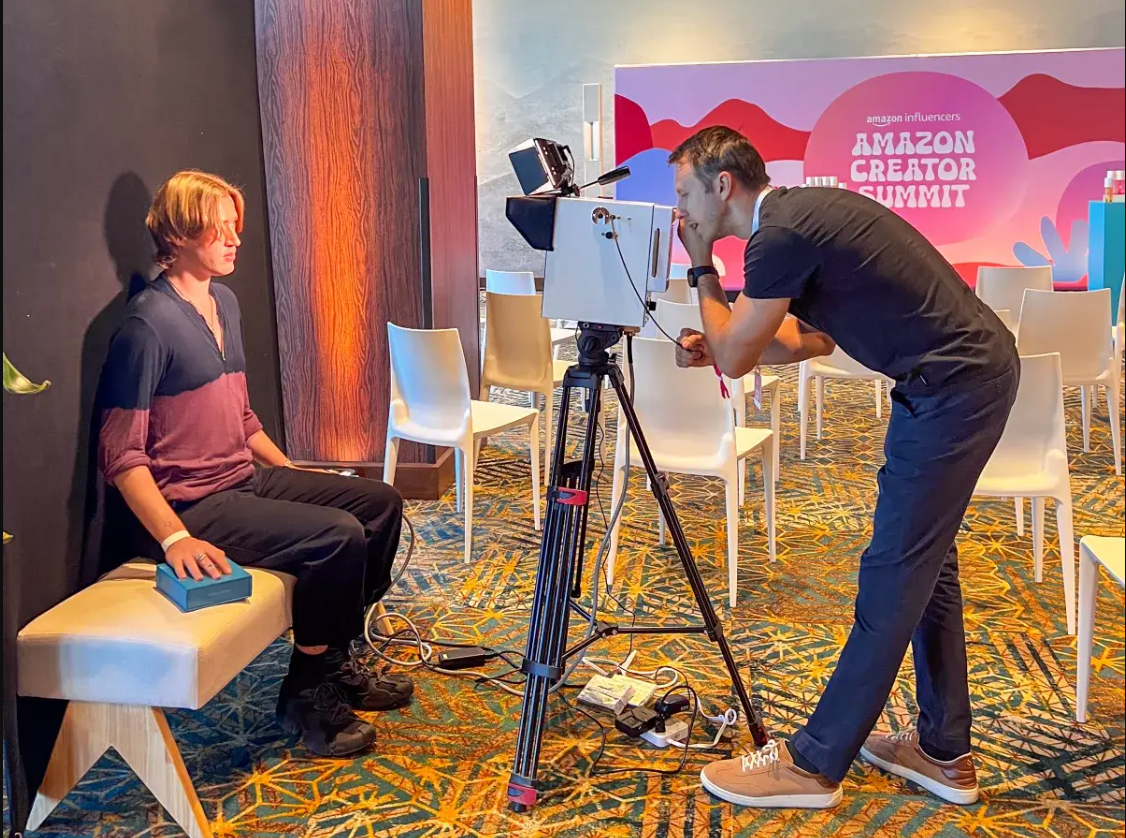
Trade Show Giveaway Ideas People Actually Keep
The best trade show giveaway ideas people keep and remember: useful, quality, personal picks plus a live aura photo activation that draws booth traffic nationwide.
Read article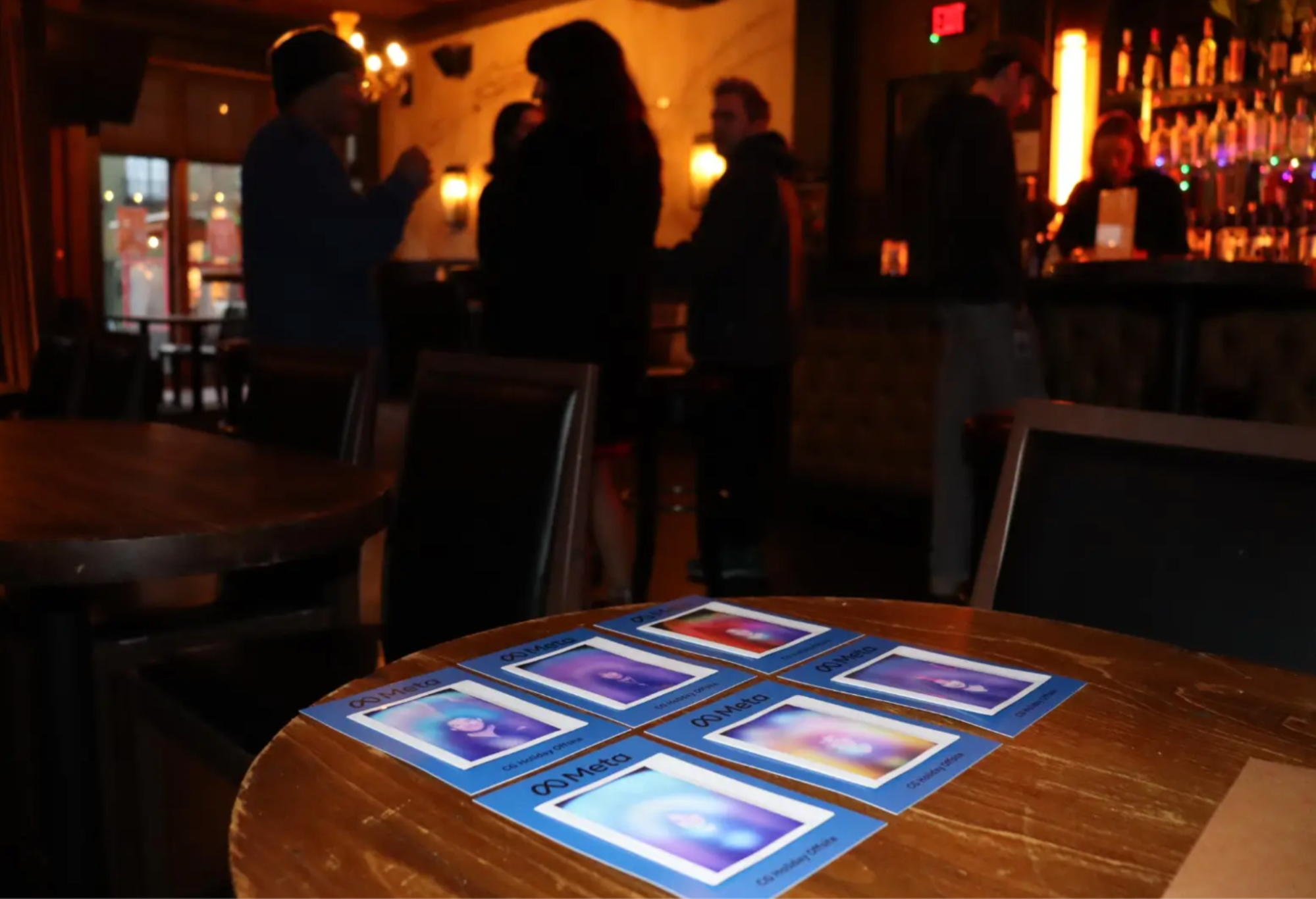
Trade Show Booth Ideas to Drive Foot Traffic and Capture Leads
Interactive trade show booth ideas that stop traffic and capture leads. See how an aura photo station drives dwell time, shares, and clean lead data.
Read article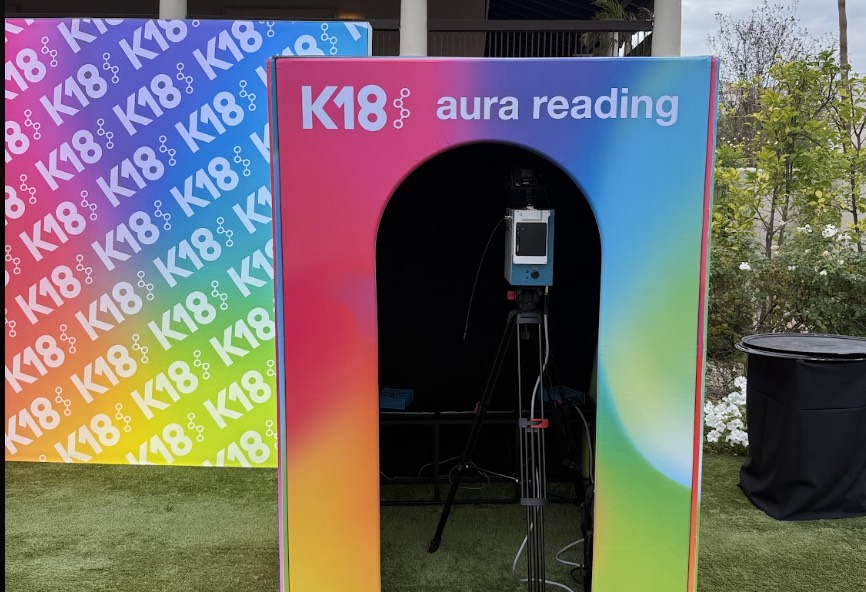
Corporate Event Entertainment Ideas Your Guests Will Actually Remember
Fresh corporate event entertainment ideas for 2026, from interactive aura photography to team activities. Match the format to your event, group size, and budget.
Read article