Contents
Aura photography has fascinated people for decades because it promises something rare: a visual glimpse into the invisible energy surrounding the human body. While modern aura images look polished and almost futuristic, the technology behind them has gone through a long and complex evolution. To truly understand aura photography today, it helps to look back at where it started and how science, experimentation, and digital innovation shaped its journey.
So, how has aura photography technology evolved over time? The answer lies in a blend of early electrical experiments, spiritual interpretation, and modern biofeedback systems that continue to redefine how we view energy and self-awareness.
Early Concepts of Human Energy Fields
Long before cameras existed, humans believed the body emitted subtle energy. Ancient cultures described this energy using different names, but the idea was consistent: life force flowed through and around the body. These beliefs remained largely philosophical until technology advanced enough to attempt visual documentation.
In the early twentieth century, scientists and inventors began exploring ways to capture invisible phenomena. Photography had already proven capable of revealing things the human eye could not easily see, such as microscopic life and distant galaxies. This naturally led researchers to ask whether energy fields could also be recorded.
The Birth of Kirlian Photography
Discovery and Early Experiments
Aura photography technology began its tangible journey with Kirlian photography in the late 1930s. Semyon Kirlian discovered that when objects were placed on a photographic plate connected to a high-voltage source, glowing outlines appeared around them. These luminous patterns created the illusion of an energetic halo.
Although the effect was electrical in nature, the images sparked widespread interest. For the first time, something resembling an aura could be visually documented. This marked a turning point in how people thought about energy photography.
Limitations of Kirlian Photography
While groundbreaking, Kirlian photography had clear limitations. The images were heavily influenced by moisture, pressure, and environmental factors. Human subjects often produced inconsistent results, making it difficult to draw reliable conclusions.
Despite these issues, Kirlian photography laid the foundation for aura photography history. It introduced the idea that energy could be visualized, even if the method itself was imperfect.
Spiritual Interpretation Takes Hold
The Shift from Science to Symbolism
As Kirlian images circulated, spiritual communities began assigning meaning to the glowing outlines. Colors were associated with emotions, personality traits, and spiritual states. This interpretation phase expanded aura photography beyond laboratories and into personal growth spaces.
During this period, aura photography became more experiential than scientific. People were less concerned with technical accuracy and more interested in what the images represented emotionally or spiritually.
Growing Popularity Despite Skepticism
Scientists often criticized aura photography for lacking empirical proof. However, public interest continued to grow. Many people felt deeply connected to their aura images, seeing them as reflections of inner states rather than strict measurements.
This cultural momentum kept aura photography alive while technology quietly continued to advance.
The Introduction of Biofeedback Technology
A New Scientific Direction
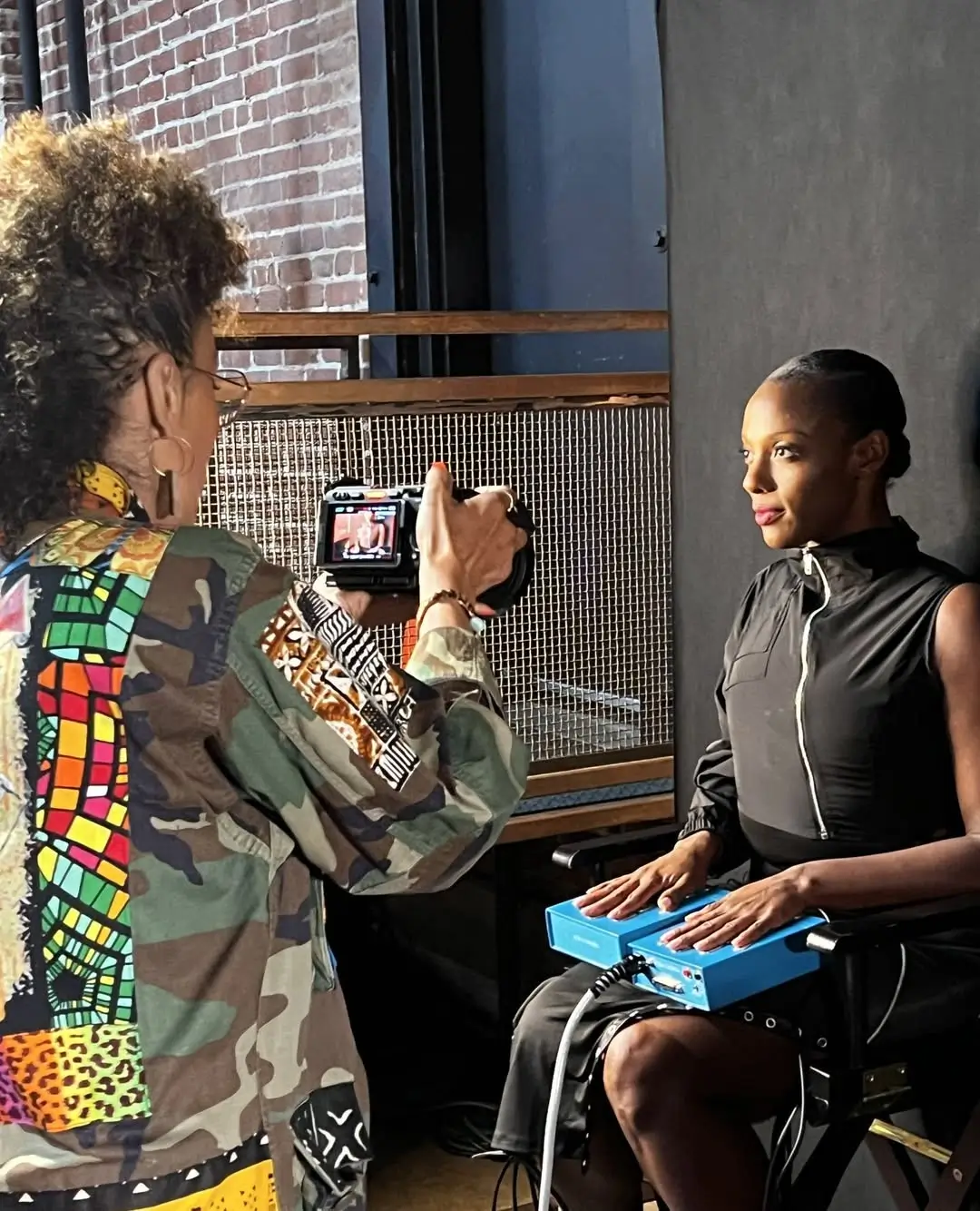
The biggest technological leap occurred when biofeedback devices entered the scene. Instead of relying on electrical discharge, these systems measured physiological signals from the human body. Data such as skin conductivity, temperature, and heart rate variability became the new foundation for aura imaging.
This shift transformed aura photography technology over time from speculative imagery into data-driven visualization.
Why Biofeedback Changed Everything
Biofeedback allowed aura photography to respond to real-time bodily changes. Emotional states influence physiological responses, and these responses could now be measured. While the resulting aura images were still interpretive, they were grounded in measurable data.
This development increased consistency and opened the door to digital processing.
The Rise of Digital Aura Photography
Combining Cameras and Sensors
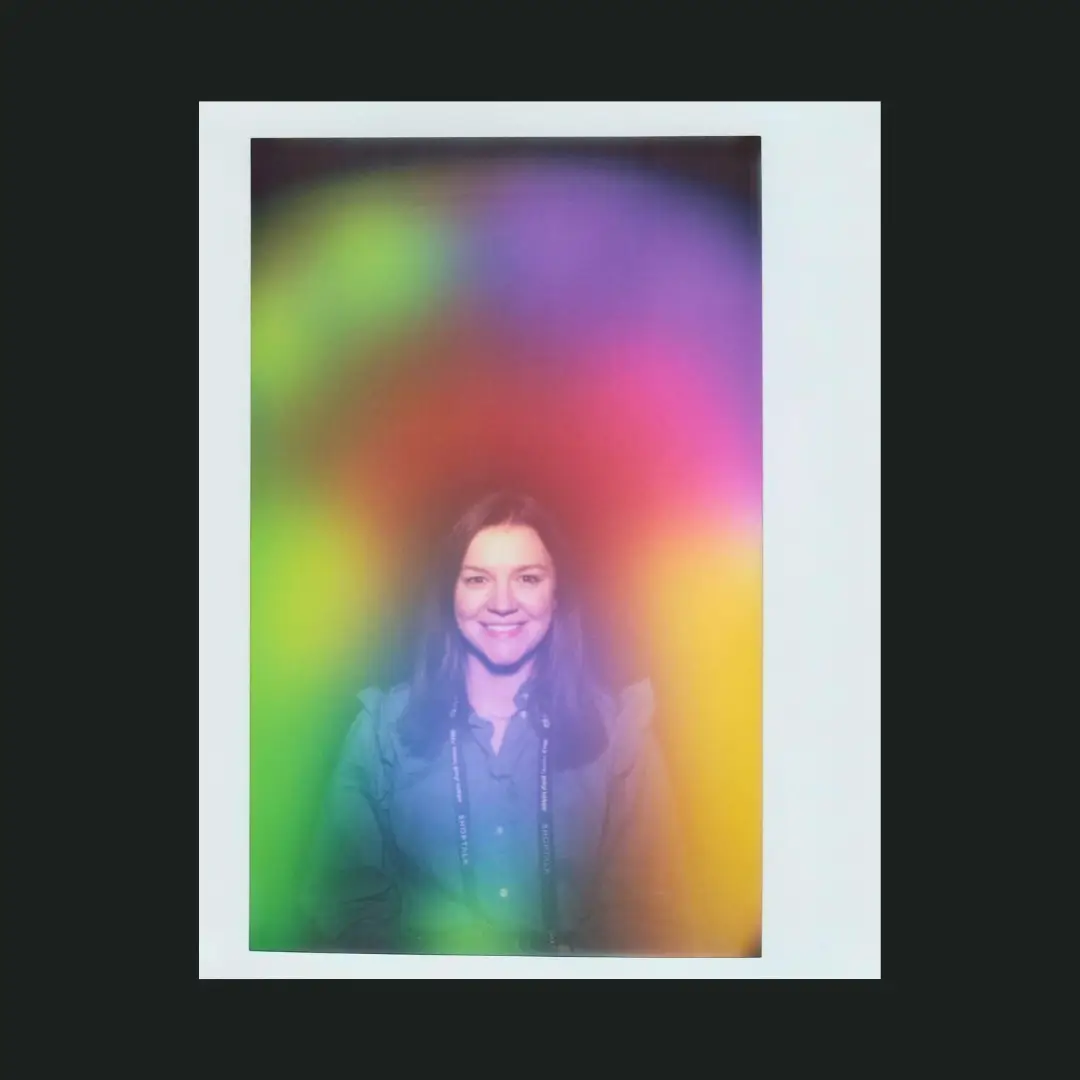
Modern aura photography integrates digital cameras with biofeedback sensors. The camera captures a standard portrait, while sensors collect physiological data from the subject. Software then translates this information into color fields surrounding the image.
This process happens almost instantly, giving users immediate visual feedback.
Color Mapping and Interpretation
Unlike early methods, modern aura photography uses predefined algorithms to assign colors. Each color corresponds to specific ranges of physiological readings. While interpretations can vary, the system itself remains stable.
This balance between technology and interpretation defines modern aura photography.
Aura Camera Technology Today
How Modern Systems Work
Today’s aura camera technology is sleek and user-friendly. Sensors are non-invasive, and the imaging process feels intuitive. The technology focuses on interaction rather than experimentation, making it accessible to a wider audience.
Modern systems emphasize experience and reflection, allowing users to explore emotional awareness through visual feedback.
Consistency and User Experience
Consistency is one of the greatest advantages of modern aura photography. While individual readings change, the technology applies the same logic each time. This makes it easier to compare images over time and notice patterns.
The experience feels personal without being overwhelming.
Aura Photography in Wellness and Self-Discovery
Emotional Awareness and Reflection
Aura photography is now commonly used in wellness settings. Rather than claiming to diagnose conditions, it serves as a tool for reflection. The visual nature of aura images helps people connect emotions with physical sensations.
This makes aura photography a starting point for mindfulness and self-awareness.
Integration with Modern Lifestyles
As technology becomes more personal, aura photography fits naturally into wellness culture. It aligns with practices that emphasize balance, emotional insight, and holistic self-care.
Its appeal lies in curiosity rather than certainty.
Scientific Debate and Modern Understanding
What Aura Photography Measures
From a scientific perspective, aura photography reflects physiological data. Emotional states influence the nervous system, which affects measurable bodily responses. Aura images visualize these responses rather than unseen energy fields.
This explanation does not diminish the experience. Instead, it reframes aura photography as a bridge between mind and body.
Ongoing Skepticism and Acceptance
Skepticism remains, especially in academic circles. However, many modern practitioners openly acknowledge the limits of aura photography. Transparency has helped the technology maintain relevance without overpromising results.
This honesty strengthens trust.
The Future of Aura Photography Technology
Advancements on the Horizon
As wearable devices and artificial intelligence continue to evolve, aura photography may become more dynamic. Real-time tracking and pattern recognition could enhance how data is visualized.
These advancements may further refine emotional awareness tools.
A Technology Still Evolving
Aura photography has never been static. From electrical experiments to digital systems, it continues to adapt. Each generation redefines how the technology is understood and used.
The future will likely emphasize integration rather than reinvention.
Why Aura Photography Continues to Fascinate
Aura photography endures because it speaks to human curiosity. People want to understand themselves beyond surface appearances. Technology simply provides a visual language for that exploration.
The question of how aura photography technology evolved over time reveals more than technical progress. It highlights our desire to merge science, emotion, and meaning into a single experience.
Final Thoughts
Aura photography began as a scientific curiosity and grew into a reflective tool shaped by technology and interpretation. Its evolution mirrors humanity’s ongoing attempt to understand the invisible forces influencing our lives.
While debates continue, aura photography remains a unique intersection of innovation and introspection. And as technology advances, that intersection will only become more intriguing.
To learn more or schedule an experience, contact us or visit our website to explore available aura photography sessions.
Frequently Asked Questions
1. How has aura photography technology evolved over time? Aura photography evolved from electrical discharge photography to digital systems using biofeedback sensors and advanced imaging software.
2. What is Kirlian photography in aura imaging? Kirlian photography uses high-voltage electrical fields to create glowing outlines around objects, influencing early aura photography concepts.
3. Is modern aura photography scientifically accurate? Modern aura photography measures physiological responses but interprets them symbolically rather than directly detecting unseen energy fields.
4. What technology is used in modern aura photography? Modern aura photography combines digital cameras, biofeedback devices, and software algorithms to generate color-based aura visualizations.
5. Why do people use aura photography today? People use aura photography for self-reflection, emotional awareness, and wellness exploration rather than medical or scientific diagnosis
Related Services
More Articles

December 30, 2025
Boosting Employee Morale with Aura Photography at Corporate Events in San Francisco
Aura photography brings interactive corporate wellness to San Francisco events by capturing biofeedback-based energy images through aura cameras and sensors. The experience boosts morale, appreciation, and team connection through personalized, shareable aura portraits. It turns engagement into a memorable cultural moment.
Read Article
December 30, 2025
Behind the Lens: Understanding the Technology Powering Aura Photography
Aura photography uses biofeedback sensors and specialized aura cameras to measure subtle physiological signals like skin conductivity and electrical impulses. Software converts that data into vivid, energy-based color imaging. The result blends scientific measurement with artistic photography for introspection and wellness.
Read Article
November 20, 2025
Why Aura Photography is the Ultimate Party Favor for Your Event in San Diego
Aura photography in San Diego offers a personalized, interactive, and visually striking party favor that deeply engages guests. Unlike traditional keepsakes, each aura photo reflects an individual’s energy, mood, and personality, making it a meaningful and memorable memento of the event. Guests enjoy a unique experience, often discussing the colors and insights behind their photos, which fosters social interaction and connection. This vibrant, personalized approach ensures that guests leave with a distinctive souvenir that not only captures the spirit of the celebration but also encourages reflection and conversation long after the event ends.
Read Article