Contents
Aura photography has grown in popularity as a unique way to visualize human energy. At its core, aura photography is not just an image — it’s an experience that invites curiosity about personal energy fields, emotions, and inner states. Whether you are exploring self-discovery tools or looking for innovative ideas for event photography, platforms like The Aura Journey enhance your appreciation of this intriguing process.
In this guide, we will explore aura photography explained in a clear, practical way. We will cover how aura photography works, what aura energy colors mean, the technology behind aura imaging, and how you can integrate this practice into events or personal exploration. By the end, you will have a thorough understanding of both the science and art of aura photography.
What Is Aura Photography?
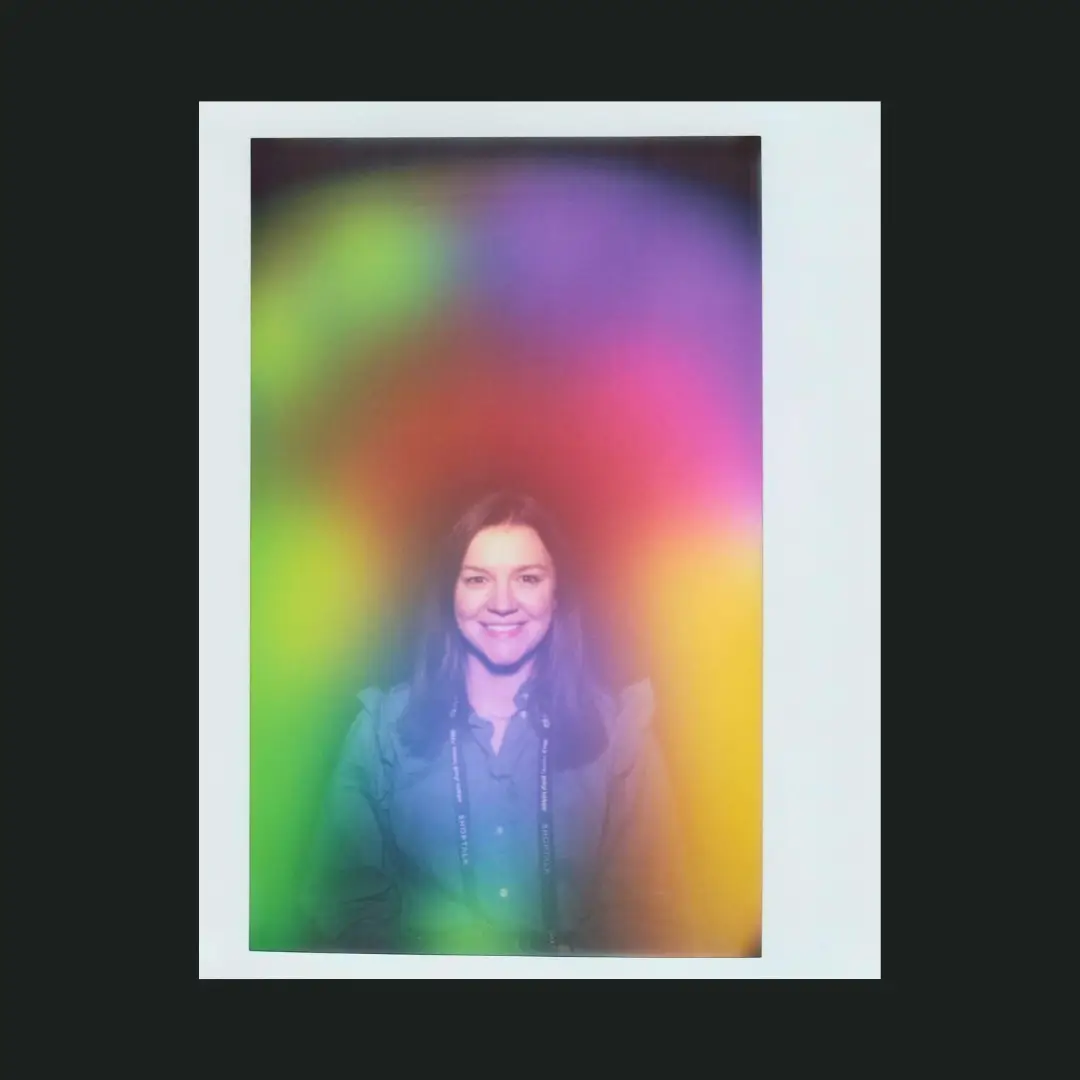
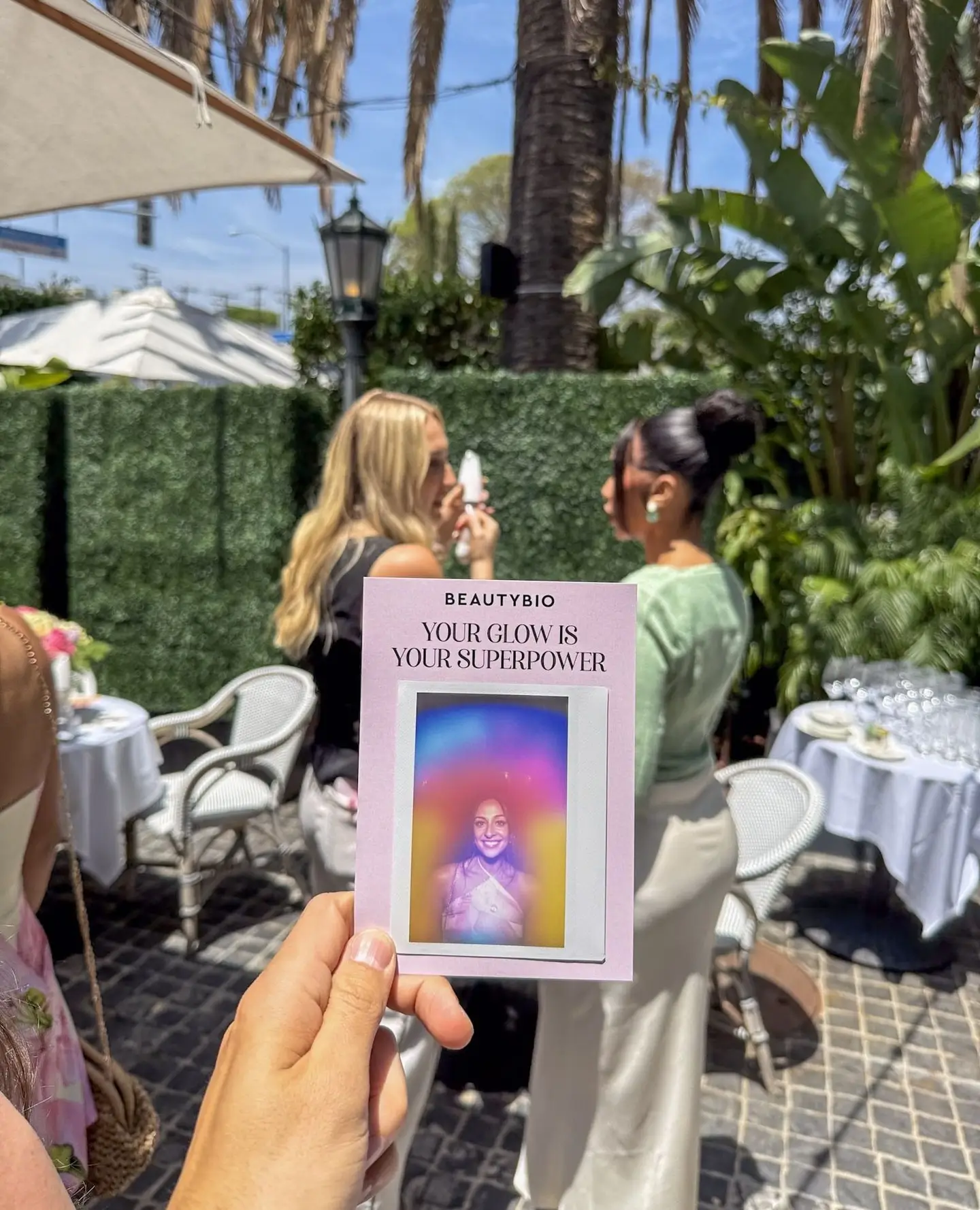
Aura photography is a technique that captures visual representations of a person’s energy field, often shown as luminous colors surrounding the body. Proponents of aura imaging believe that these colors reflect emotional states, personality traits, or energetic imbalances. While interpretations vary between systems and practitioners, many people find value in using aura photography for introspection, spiritual exploration, or creative event experiences.
Unlike traditional photography, which captures physical light reflected off surfaces, aura imaging relies on specialized technology to interpret subtle frequencies believed to emanate from the body.
For those who want to explore deeper meaning and energetic expression, aura photography offers a blend of visuals and symbolism that can be both striking and insightful.
The History of Aura Photography
The concept of capturing energy fields dates back to early experiments in bioelectrography and Kirlian photography during the 20th century. Kirlian photography involved capturing coronal discharges around objects using high-voltage fields. While initially considered scientific exploration, these early techniques eventually found interest within metaphysical communities as tools for intuition and awareness.
Over time, aura imaging evolved into more accessible forms using digital interpretation and electromagnetic sensors. Today’s aura photography systems use hand sensors or contact plates combined with software algorithms to generate colorful images that represent the individual’s energy.
This evolution reflects the intersection of technology, psychology, and personal belief — allowing many people to approach aura photography with curiosity and openness.
How Aura Photography Works
Understanding how aura photography works requires a peek into both the hardware and the interpretation processes involved. Although interpretations differ, the technical process typically involves sensors that detect electrical impulses, skin conductivity, or thermal variations. This data is then processed into visual representations, often with color overlays around the silhouette.
Here’s a breakdown of the typical steps in an aura photography session:
Step 1: Preparation
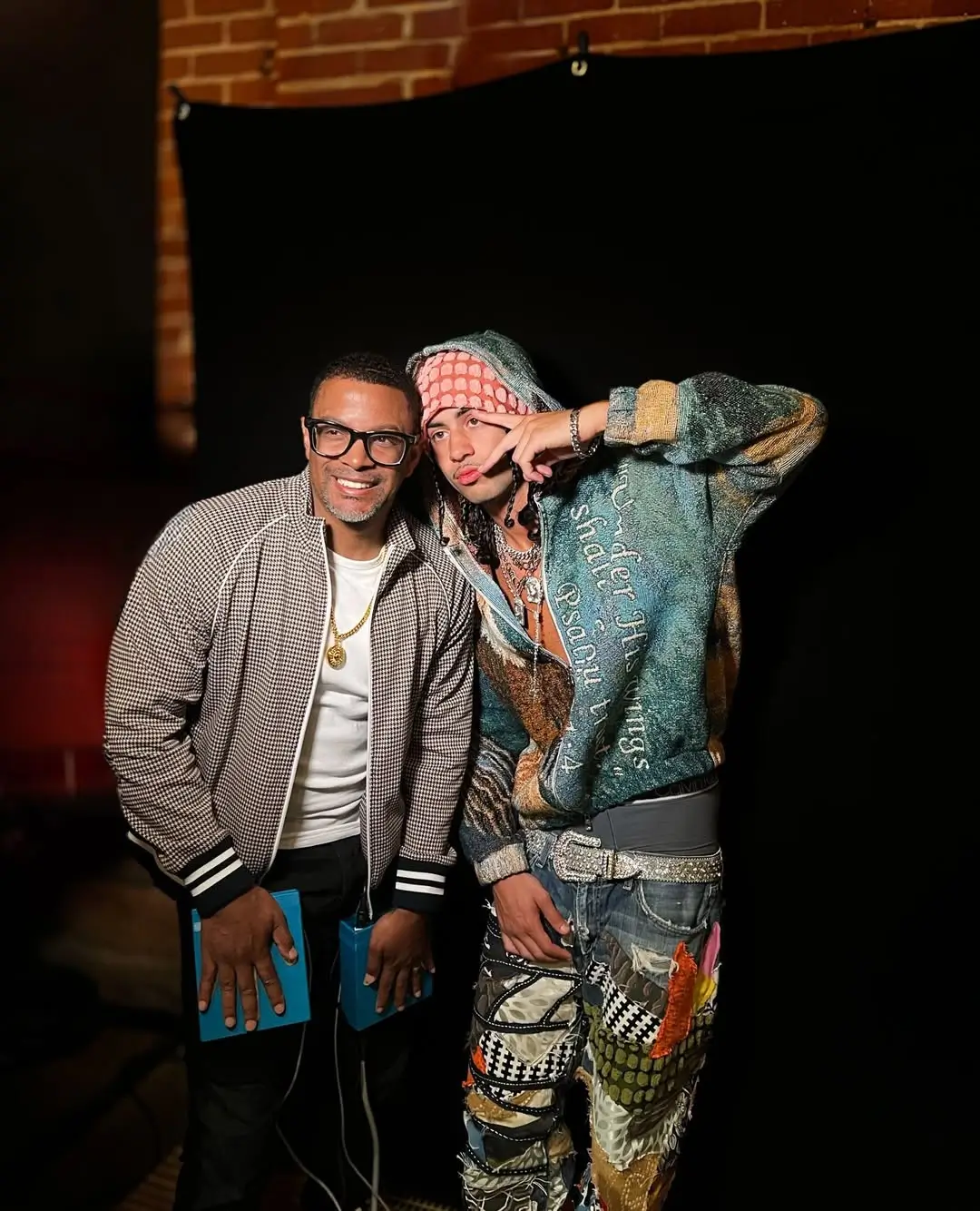
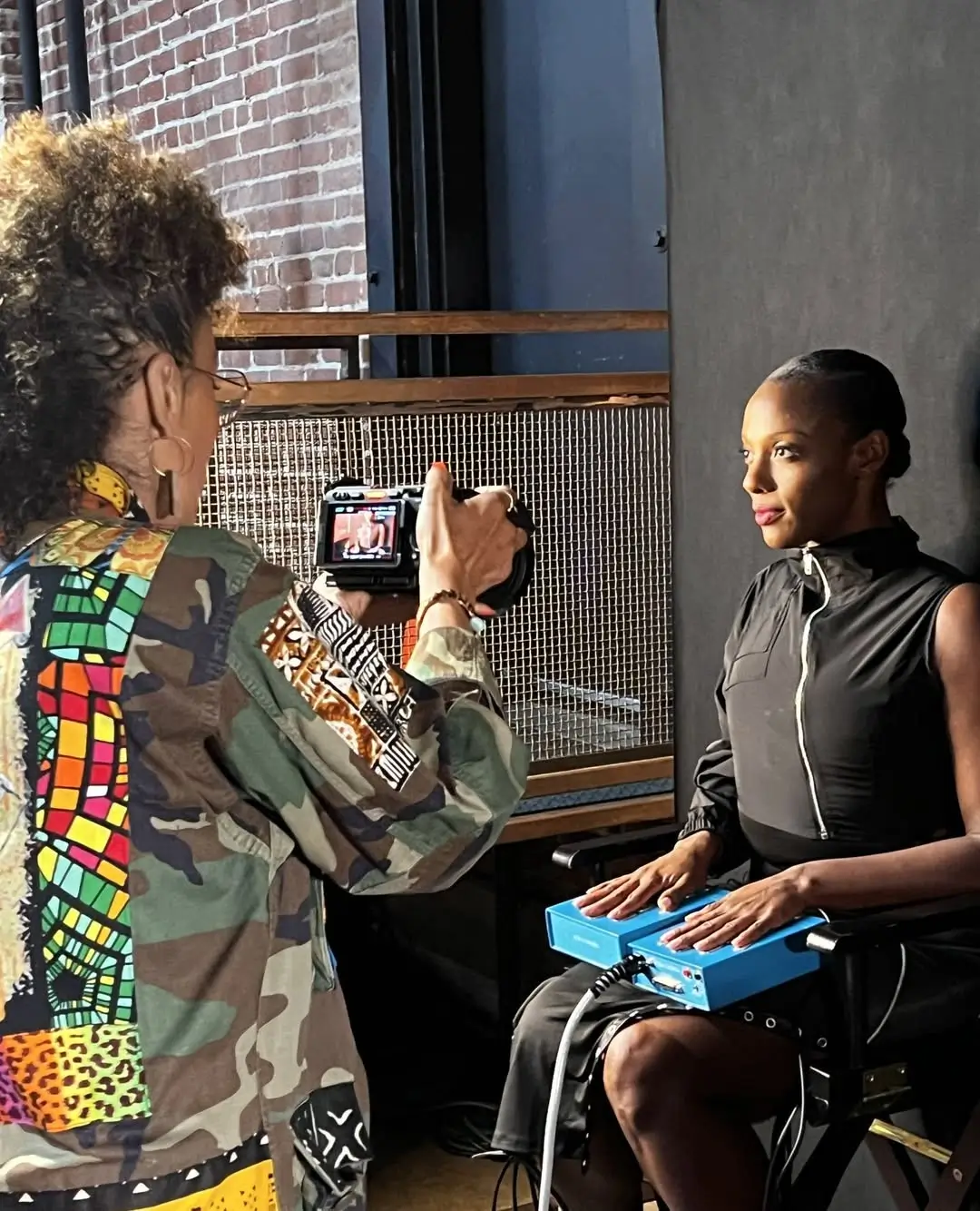
Before taking a photograph, an individual stands or sits near the camera system. Some systems require gentle hand placement on sensors that detect subtle energy indicators. The subject is usually advised to relax and breathe naturally, as stress or tension may affect the results.
Step 2: Sensing and Data Collection
The device collects data from sensors that may detect electrical changes, skin conductivity, or other biofeedback signals. These signals serve as input for the imaging software.
Step 3: Image Generation
The software translates the collected data into a visual image. This image shows a person’s outline alongside colored patterns interpreted as components of their energy field. Many practitioners describe these patterns as reflections of mood, personality, or emotional states.
Step 4: Interpretation
Once the aura image is generated, a trained practitioner can help interpret the colors and patterns. Different systems use varying frameworks to associate colors with energetic meanings. This interpretive step transforms the photograph into a personalized experience.
Aura Energy Colors: What They Mean
One of the most intriguing aspects of aura photography is the interpretation of colors. Understanding the energy field meaning behind each shade adds depth to the experience. While exact meanings can vary by practitioner or system, there are commonly accepted associations between colors and energetic qualities. Below are some interpreted meanings:
Red
Red is often linked to energy, strength, passion, and physical vitality. People with red tones in their aura might be seen as grounded, action-oriented, or intensely engaged with life experiences.
Orange
Orange can represent creativity, enthusiasm, and emotional warmth. It is often associated with energetic expression, joy, and interpersonal connection.
Yellow
Yellow is frequently interpreted as a sign of intellect, clarity, and optimism. It may appear in individuals who are curious, communicative, and mentally active.
Green
Green is generally linked to balance, healing, and compassion. People with green tones in their aura may feel connected to nature or express strong empathy.
Blue
Blue tones often indicate calm communication, intuition, and inner depth. Shades of blue may appear in individuals who are reflective and emotionally balanced.
Violet
Violet represents spirituality, imagination, and introspection. Its presence often links to people who are spiritually curious or deeply reflective.
It is important to remember that colors are symbolic frameworks rather than absolute truths. Interpretation should always be approached as a tool for self-reflection and personal insight, not rigid categorization.
Technology Behind Aura Imaging
Modern aura photography systems fall into two main categories: hardware-based biofeedback systems and digital interpretation tools. Regardless of the method, both types aim to translate subtle human signals into visual data.
Biofeedback Sensors
Some aura photography systems use sensors that detect physical metrics such as skin conductivity or low-level electrical changes. These readings serve as the basis for color interpretation. For example, increased conductivity might be associated with higher emotional arousal.
Digital Interpretation Software
The software component applies algorithmic logic to transform sensor data into color representations on the image. Each software package uses its own framework, which is why images can differ between systems. Skilled practitioners often provide context and narrative to help participants understand their results.
Although scientific interpretations of aura imaging vary, many participants report that the experience offers intuitive insight, emotional resonance, and opportunities for self-reflection.
Aura Photography as a Self-Discovery Tool
Many people use aura photography as a form of self-discovery. Unlike traditional portraits, aura images invite internal reflection.
Participants often find value in discussing their aura colors in relation to current life phases, emotional patterns, or personal goals. The interpretive aspect encourages mindful exploration, allowing individuals to reflect on areas of harmony and imbalance.
For those seeking deeper insight, pairing aura images with journaling or guided interpretation can offer richer meaning. Rather than relying solely on the image itself, combining it with thoughtful contemplation fosters awareness.
Aura Photography at Events
Aura photography also serves as a creative and interactive experience at events. Whether at festivals, corporate gatherings, wellness retreats, or art shows, aura imaging brings a unique element to event photography ideas, such as an aura photography party experience.
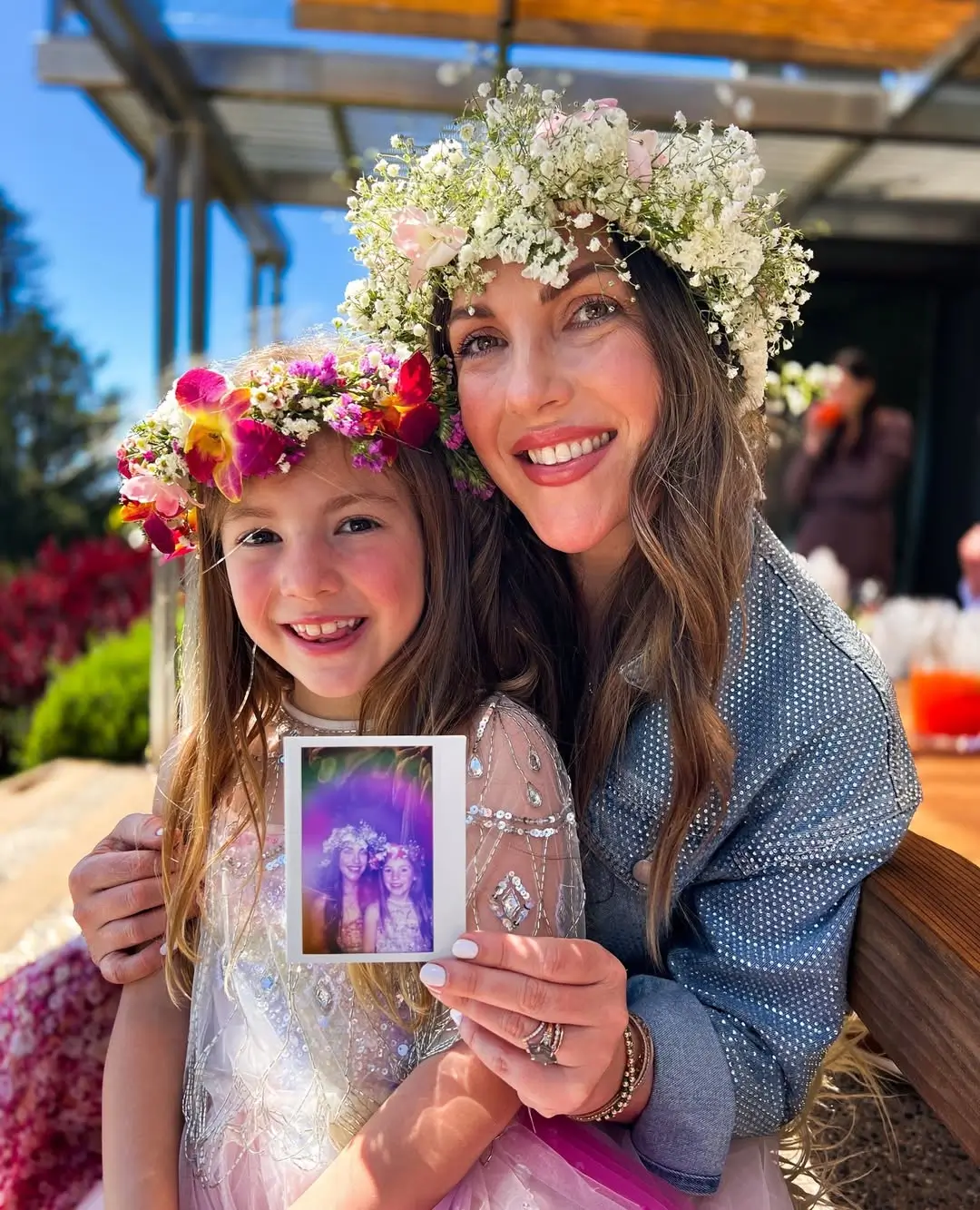
Participants are often drawn to the experience as a novelty and a personal keepsake. The colorful visual output creates conversation and engagement, making it a memorable addition to any event.
Event planners who incorporate aura photography discover that it appeals to diverse audiences. It blends artistic expression, personal exploration, and visual storytelling in a way few other experiences can.
Preparing for Your Aura Photography Session
A positive aura photography experience begins before the camera shutter clicks. Here are practical suggestions to help you get the most from your session:
Wear colors that align with your mood or intention. Some people feel that choice of clothing influences how they perceive their energy, though sensors capture electrical and biofeedback data rather than color optics.
Take a few deep breaths to center your thoughts. Remaining present and relaxed supports a more engaging experience.
Approach the session with curiosity rather than expectation. The goal is insight and reflection, not validation.
Preparation is less about controlling the outcome and more about inviting openness to the experience.
Interpreting Your Aura Photograph
After your aura image is captured, interpretation brings meaning to the colors and patterns. Skilled practitioners often guide participants through the symbolism associated with specific tones, transitions, and gradients. Interpretation is a conversation — not a definitive answer.
Common interpretive themes include current emotional focus, inner balance, communication style, or underlying stress. However, personal resonance is essential: you are the ultimate authority on what the image means to you.
Combining Aura Photography With Other Experiences
Many people integrate aura imaging with holistic or wellness practices. For example, some pair an aura session with guided meditation, breathwork, or intuitive discussion. This combination encourages deeper awareness and reflection.
Experimenting with various wellness tools alongside aura imaging expands the experience beyond a photograph. It becomes an immersive exploration of energy, intention, and meaning.
Choosing the Right Aura Photography Experience
When selecting an aura photography session or provider, consider the following:
Technology Used: Different systems vary in how they detect and interpret data.
Practitioner Expertise: A trained specialist can help you explore deeper meaning.
Context: Workshops, solo sessions, or event experiences each offer unique atmospheres.
Selecting a setting that aligns with your purpose—whether self-exploration or event engagement—enhances your connection to the process.
Final Thoughts on Aura Photography
Aura photography blends symbolism, technology, and personal interpretation in a way few other visual mediums do. When approached with curiosity and openness, it becomes a creative self-discovery tool and a memorable experience.
Understanding aura photography explained helps demystify the process: from sensing and imaging to color interpretation and personal meaning. As an event experience or a reflective exploration, aura photography invites participants into a unique visual language of energy and emotion.
Whether you are curious about your own energy colors or planning an interactive experience for others, aura photography offers both insight and aesthetic appeal.
FAQs
1. What does an aura photograph show?
An aura photograph visually represents perceived energy patterns, often interpreted through color symbolism and personal context.
2. How does aura photography work?
Aura photography systems use sensors and software to translate biofeedback signals into colors, then generate an energy field image.
3. Do aura colors have specific meanings?
Yes. Different colors are symbolically linked to emotional traits, life focus, or energetic tendencies.
4. Is aura photography scientifically proven?
Scientific interpretations vary. Many people appreciate it for intuitive and symbolic insight rather than clinical diagnosis.
5. Can aura photography be part of an event?
Yes. Aura imaging adds creative and interactive appeal to festivals, retreats, corporate events, or private gatherings.
Related Services
More Articles

January 29, 2026
Incorporating Aura Photography into Your Company’s Wellness Program in California
Aura photography is emerging as an innovative experiential wellness tool in California's progressive corporate landscape, where companies increasingly prioritize mental health and emotional awareness alongside traditional health benefits. Using biofeedback technology that measures physiological responses, aura photography creates colorful visual representations that serve as reflective starting points for self-awareness conversations. California workplaces are uniquely positioned to embrace this due to the state's holistic wellness culture and openness to experiential programs supporting mindfulness and stress reduction. When integrated into wellness events, it encourages employees to pause and check in with their internal state without invasive disclosure, making wellness conversations more accessible and driving higher participation.
Read Article
January 29, 2026
How Has Aura Photography Technology Evolved Over Time?
This article explores the fascinating evolution of aura photography, tracing its journey from Semyon Kirlian's accidental discovery of electrical discharge imaging in the 1930s to today's sophisticated biofeedback-based digital systems. While early Kirlian photography captured glowing coronas through high-voltage exposure—often inconsistent and influenced by moisture and pressure—modern aura camera technology measures real physiological data like skin conductivity and heart rate variability. What began as controversial laboratory experiments transformed through spiritual interpretation in the mid-20th century before finding scientific grounding with biofeedback integration. Today's digital aura photography combines instant imaging with data-driven color mapping, creating a bridge between measurable bodily responses and emotional self-awareness. This evolution reflects not just technological advancement, but humanity's enduring quest to visualize the invisible connection between mind, body, and energy.
Read Article
December 30, 2025
Boosting Employee Morale with Aura Photography at Corporate Events in San Francisco
Aura photography brings interactive corporate wellness to San Francisco events by capturing biofeedback-based energy images through aura cameras and sensors. The experience boosts morale, appreciation, and team connection through personalized, shareable aura portraits. It turns engagement into a memorable cultural moment.
Read Article