Contents
Experiential marketing helps brands stand out in Los Angeles by turning attention into participation. Instead of asking people to simply notice a brand, it gives them something to interact with, remember, photograph, talk about, and share.
In a city filled with product launches, creator events, pop-ups, wellness experiences, media moments, and highly visual campaigns, passive promotion often gets lost in the background. Live experiences work differently. They create a real connection between the brand and the audience, which is exactly why experiential marketing has become such an important strategy for companies trying to build visibility in LA.
For brands competing in a fast-moving market, experiential campaigns offer more than short-term buzz. They help create brand memory, emotional response, organic social sharing, and a stronger reason for people to care. When the experience is thoughtfully designed, it can support both top-of-funnel awareness and lower-funnel business outcomes like lead capture, product education, and post-event conversions.
What Is Experiential Marketing?
Experiential marketing is a strategy that allows people to experience a brand directly instead of only seeing a message about it. Rather than relying on static promotion, the brand creates a live or interactive moment that invites the audience to participate.
That experience might be a product launch, a pop-up installation, a branded photo moment, a wellness activation, a retail event, or an immersive campaign built around storytelling and interaction. The key difference is that experiential marketing gives people a role in the brand experience. They are not just observers. They become participants.
This matters because participation tends to increase attention, recall, and emotional connection. People are more likely to remember a brand they interacted with than one they only saw in an ad. That is especially true in Los Angeles, where audiences are exposed to constant visual noise and high volumes of competing promotional messages.
Why Experiential Marketing Works So Well in Los Angeles
Los Angeles is one of the best cities for experiential marketing because it combines culture, entertainment, lifestyle branding, influencer activity, tourism, wellness, and event-driven visibility into one market. The Aura Journey’s Los Angeles service pages also frame the city around product launches, influencer pop-ups, experiential events, branded engagement, and neighborhood-specific event opportunities.
That local environment creates a perfect setting for live brand experiences. Brands are not just trying to be seen in LA. They are trying to feel relevant within a city that values novelty, aesthetics, social proof, and real-world shareability.
A campaign that may feel ordinary in another market can become highly effective in Los Angeles if it is placed in the right venue, designed for the right audience, and built around the right kind of interaction. A beauty brand may perform best with a polished, photo-friendly activation in West Hollywood. A wellness company may succeed with a more calming and sensory-driven experience in Santa Monica or Venice. A media or tech brand may prefer a sharper, higher-energy event format in Downtown LA or Hollywood.
How Experiential Marketing Helps Brands Stand Out
The biggest advantage of experiential marketing is that it creates presence. When people can walk into a branded space, try something, respond to something, or take something away from the moment, the brand becomes harder to ignore.
It captures attention in a crowded market
Los Angeles is saturated with content, events, campaigns, and social-first visuals. To stand out, a brand usually needs more than a sign, a backdrop, or a giveaway table. It needs an experience.
Experiential marketing helps by interrupting passive browsing behavior. It gives people a reason to stop. That pause is valuable. Once a brand has attention, it can guide the audience into a more meaningful interaction.
It creates stronger memory than passive advertising
People may forget a digital ad within seconds. They are more likely to remember an experience they physically entered, emotionally enjoyed, or personally participated in.
That is one reason live activations tend to outperform standard promotional touchpoints when the goal is brand recall. The brand becomes attached to a feeling, not just a message.
It encourages social sharing
Experiential campaigns often generate content naturally because they are visual, interactive, or surprising. When a guest has a memorable moment at an event, the next instinct is often to post it, send it, or talk about it.
That organic amplification matters in Los Angeles, where brand visibility frequently extends beyond the event itself and into social platforms, creator networks, and peer-to-peer recommendations.
It builds emotional connection
People connect more deeply with brands when the interaction feels personal. A campaign that invites reflection, surprise, customization, play, or self-expression usually creates a stronger impression than one-way messaging.
In other words, experiential marketing helps a brand move from being seen to being felt.
Experiential Marketing vs Traditional Advertising
Traditional advertising is designed to push a message outward. Experiential marketing is designed to bring people inward.
An ad can create awareness, but an experience can create involvement. A paid campaign may get reach, but a live event can create memory, participation, and conversation. The strongest marketing strategies often use both together.
For example, a brand may use paid social, creator content, and email promotion to drive attendance before an event. Then, once the audience arrives, the live experiential moment becomes the engine for engagement, content capture, and brand storytelling. After the event, follow-up campaigns can continue the momentum.
This is why many modern brands do not treat experiential marketing as separate from digital marketing. They treat it as a high-impact part of a larger campaign ecosystem.
Experiential Marketing vs Brand Activation
The terms “experiential marketing” and “brand activation” are closely related, but they are not always identical.
Experiential marketing is the broader strategy of using live or interactive experiences to shape how people perceive a brand. A brand activation is often the specific campaign, event, or moment that brings that strategy to life.
In practical use, the two terms overlap a lot. A product launch pop-up can be both an experiential marketing campaign and a brand activation. A branded booth with a personalized guest experience can also fit both descriptions.
That overlap is exactly how The Aura Journey presents its service offering, positioning aura photography as part of broader brand activations and experiential marketing rather than as a standalone photo booth concept. The service page explicitly frames the offering around immersive branded experiences, product launches, influencer pop-ups, and shareable guest engagement.
Types of Experiential Marketing Campaigns in LA
Los Angeles brands use many different experiential formats depending on audience, budget, brand category, and event goal. The format matters because it shapes how people move through the experience and what they take away from it.
Pop-up experiences
Pop-ups are useful when a brand wants to create urgency, visual impact, and a controlled environment. They work well for beauty, fashion, lifestyle, wellness, and consumer product brands that benefit from discovery and social content.
Product launch events
Launch events help brands introduce something new in a more memorable setting. Instead of simply announcing a product, the brand lets people see it, try it, photograph it, and connect it to a specific live moment.
Influencer and PR events
In Los Angeles, influencer and media-facing experiences can amplify brand reach quickly. If the activation feels visually strong and genuinely worth posting, the event can generate content long after the live moment ends.
Retail and foot-traffic activations
Retail activations are helpful when the goal is immediate attention, quick interaction, and measurable on-site response. These campaigns often combine product awareness with direct conversion opportunities.
Immersive installations
Some brands build campaigns around atmosphere, storytelling, and sensory design. These experiences tend to work best when the brand wants stronger emotional response and deeper audience immersion.
Why Consumer Engagement Events Matter
Consumer engagement events are effective because they turn the audience into participants. That shift changes how people process the brand.
When someone engages directly with a product, installation, or branded activity, they invest attention instead of borrowing it. That attention creates more opportunity for recall, trust, curiosity, and conversation.
Engagement events also help brands learn what resonates in real time. Teams can observe what people respond to, what they photograph, what questions they ask, and what parts of the experience they naturally share. That feedback can improve future campaigns and sharpen brand positioning.
This is especially useful in LA, where audience behavior can vary based on neighborhood, venue type, industry, and event culture.
The Power of Personalized Experiences
One of the strongest ways to make an activation memorable is to personalize it. Personalized experiences feel more valuable because they give the guest an outcome that feels specific to them.
That is why custom outputs, branded keepsakes, one-on-one moments, and interpretive experiences often perform so well in experiential campaigns. They give people a reason to slow down and engage more deeply.
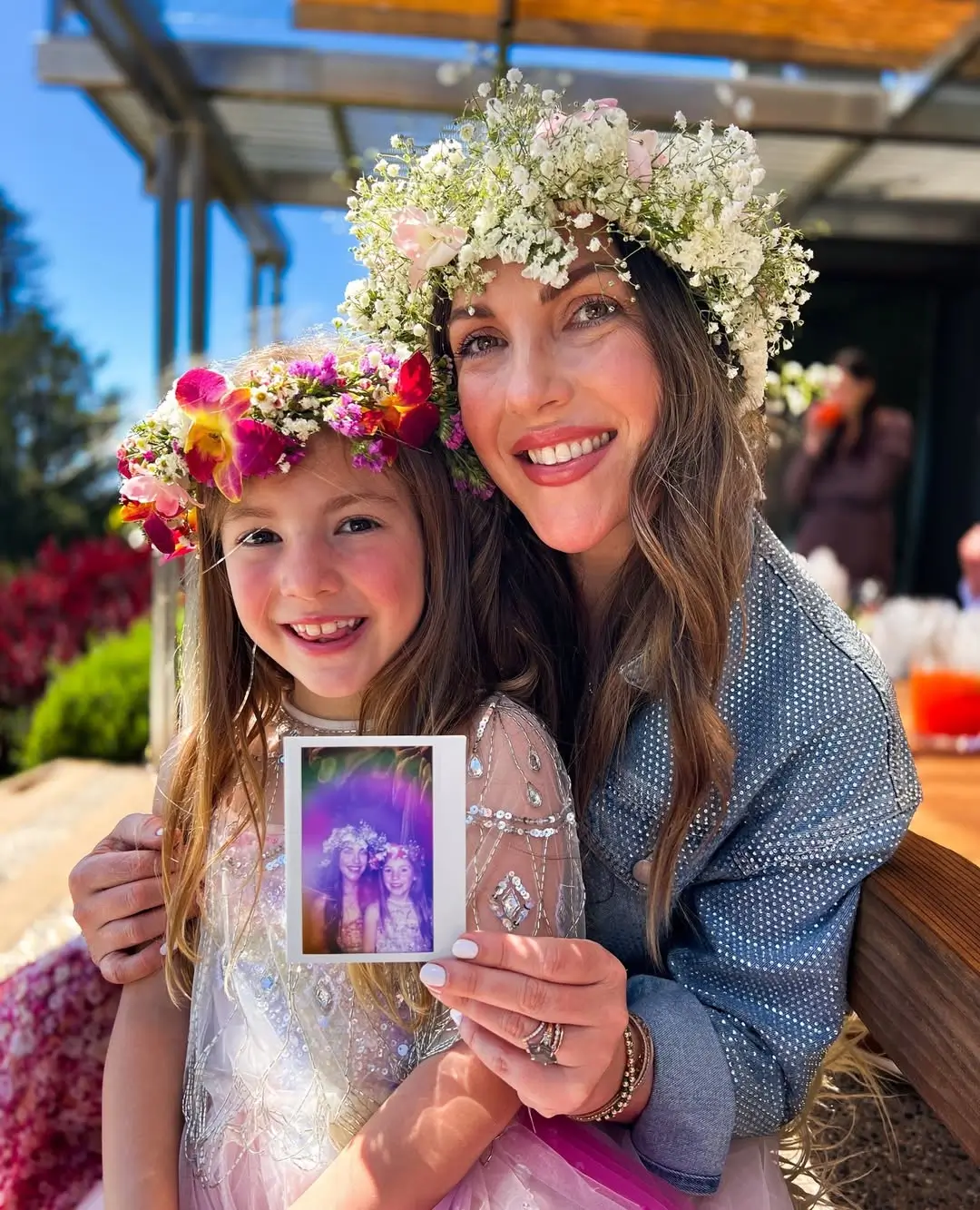
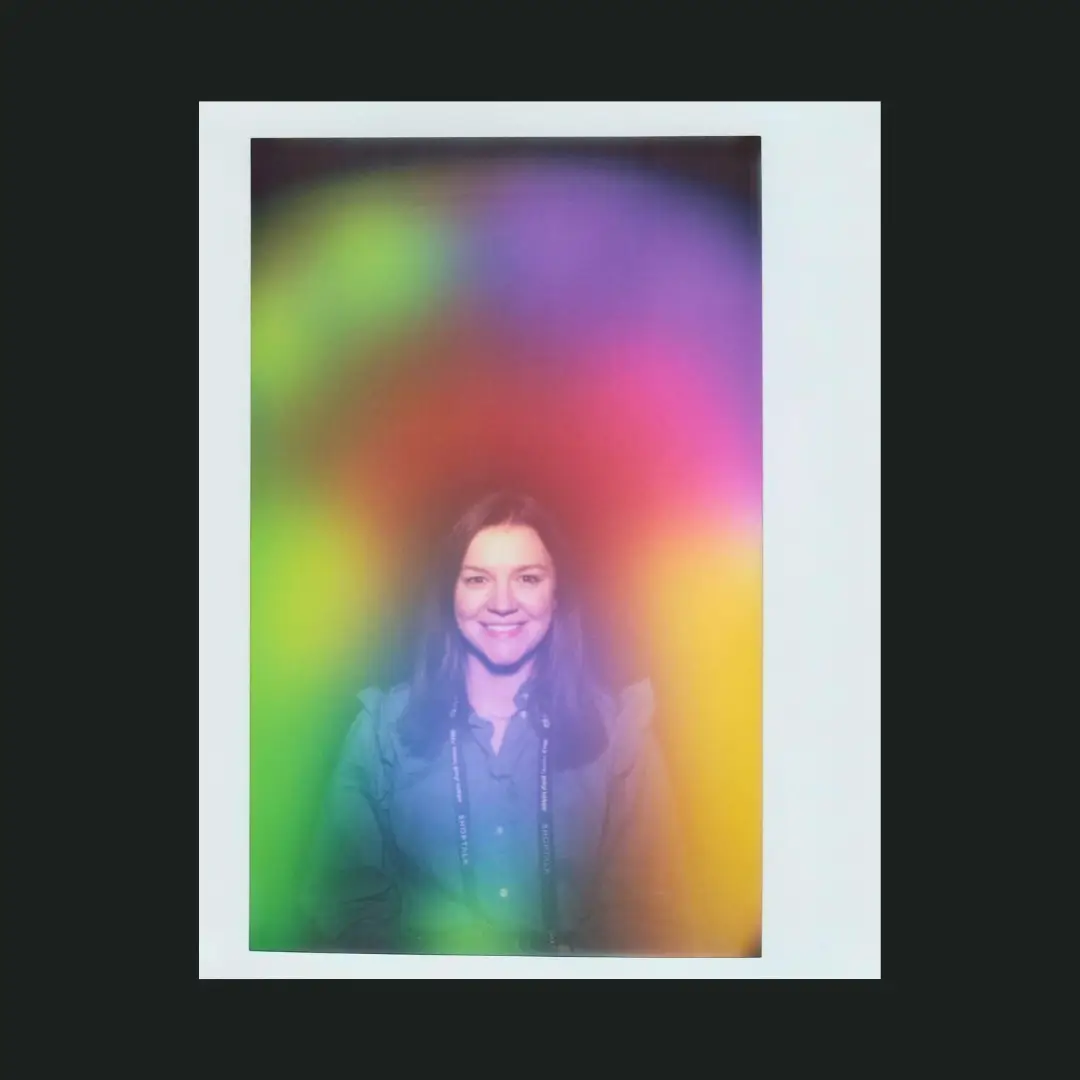
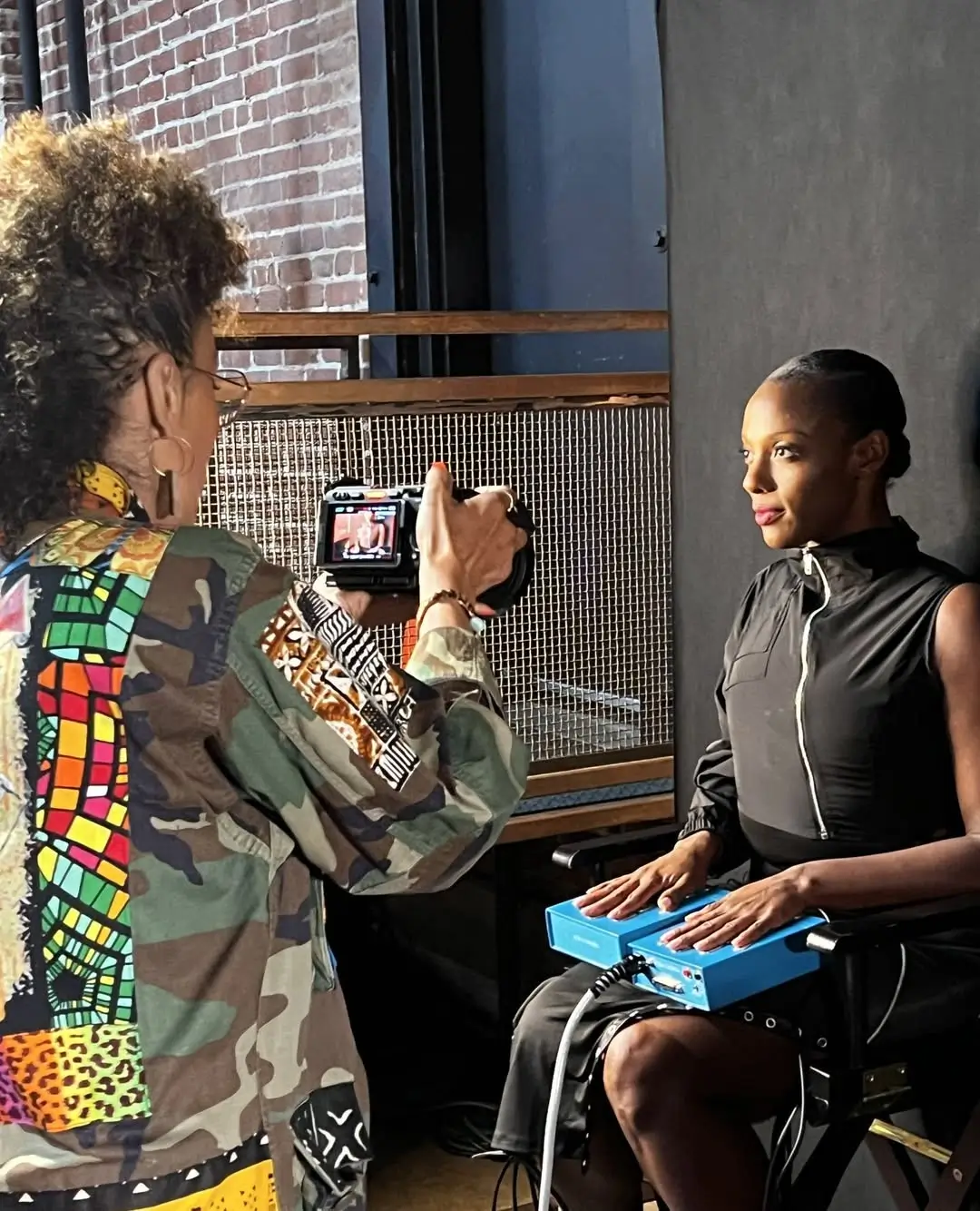
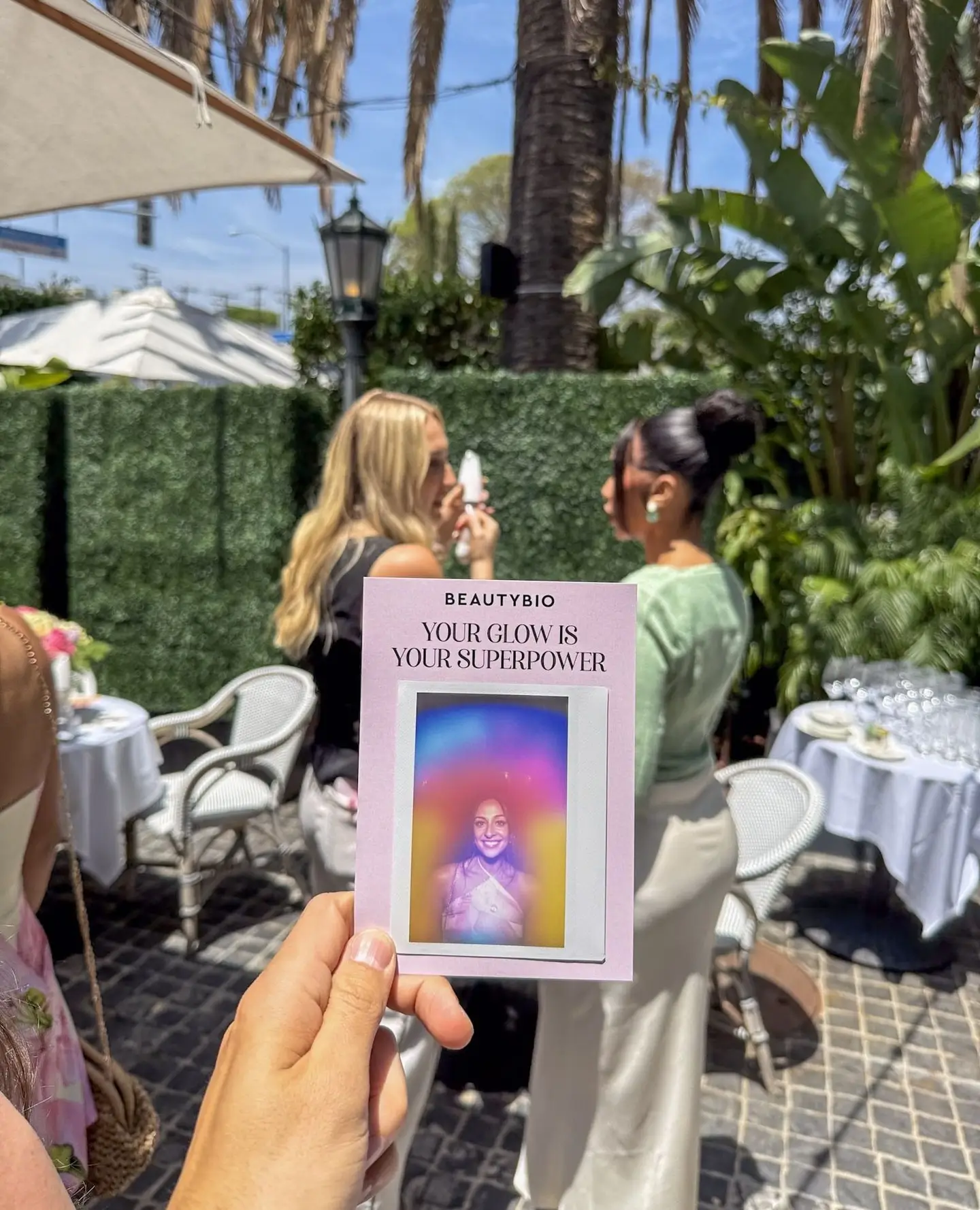
A good example is aura photography in Los Angeles, which The Aura Journey presents as a biofeedback-based event experience that creates personalized aura portraits, interpretation guides, branded keepsakes, and interactive event engagement for guests. The Los Angeles page also emphasizes that the experience is designed for corporate events, brand activations, festivals, pop-ups, and other live events across neighborhoods like Venice, Santa Monica, DTLA, and West Hollywood.
That kind of format works because it combines novelty with personal relevance. Guests are not just taking a picture. They are having an experience that feels individualized, visually striking, and easy to remember.
What Makes Live Brand Activations Successful in LA
A successful experiential campaign usually has several elements working together.
A clear goal
The brand should know exactly what the campaign is trying to achieve. That could be awareness, lead capture, product education, content generation, creator buzz, brand recall, or direct conversion.
When the goal is clear, the rest of the event becomes easier to design.
A strong creative concept
The experience should be distinctive, but it should also make sense for the brand. A visually impressive setup is not enough on its own. The concept needs to connect back to what the company stands for and what it wants people to remember.
The right venue and neighborhood
Los Angeles is not one audience. Venue choice can completely change who attends, how they interact, and how the campaign feels.
A premium beauty brand may perform best in West Hollywood or Beverly Hills. A lifestyle or wellness event may feel more natural in Santa Monica or Venice. A high-volume or high-energy activation may work better in DTLA or Hollywood.
The Aura Journey’s Los Angeles activation page reinforces this by highlighting neighborhood-specific fit, including West Hollywood and Beverly Hills for luxury and influencer events, DTLA for large experiential activations, Santa Monica and Venice for lifestyle and wellness events, and Hollywood or Burbank for media-facing campaigns.
Real interaction
The best activations invite people to do something. That may include testing, exploring, answering, customizing, participating, receiving a takeaway, or sharing a result.
Without interaction, the campaign may still look good, but it is less likely to create real engagement.
Post-event amplification
The live moment should not be the finish line. The brand should plan how to turn the event into content, follow-up, nurture, and business value after the activation ends.
Measuring the Impact of Experiential Marketing
One of the most important parts of any experiential marketing strategy is measurement. A campaign should not just feel successful. It should be evaluated using clear performance signals. Useful metrics often include:
Event attendance.
Booth or activation traffic.
Dwell time.
Number of interactions.
Content captured.
Social shares.
QR scans.
Email or SMS sign-ups.
Lead quality.
Post-event conversions.
Brand sentiment.
Recall or survey feedback.
The Aura Journey’s core activation service page also positions aura photography around measurable outcomes such as longer dwell time, stronger engagement, social amplification, booth traffic, and branded keepsakes that extend event impact after the activation ends. It additionally states throughput of 25 to 45 sessions per hour and emphasizes turnkey setup, custom branding, and shareable branded outputs.
That kind of measurement framework is important because live experiences can support multiple outcomes at once. One activation can generate awareness, create content, educate attendees, and produce leads if it is planned correctly.
Common Mistakes Brands Make
Even visually strong campaigns can underperform if strategy is weak.
Focusing only on aesthetics
A campaign may look impressive online but still fail if people do not understand the brand message or know what to do next. Good experiential marketing needs more than a beautiful setup.
Ignoring the local audience
A concept that works in another market may not work in Los Angeles in the same way. Local culture, event style, creator expectations, and neighborhood context all matter.
Forgetting the follow-up
Many brands invest heavily in the live event and then miss the chance to extend its value. Without content repurposing, remarketing, email nurture, or sales follow-up, the event’s long-term value can fade quickly.
Not defining ROI in advance
If the team does not know what success looks like before the event begins, it becomes difficult to evaluate the campaign honestly.
Why Experiential Marketing Is a Strong Long-Term Strategy
Experiential marketing is not just about creating one exciting moment. It is about shaping how people remember the brand.
When done well, it can increase trust, improve recall, generate branded content, support partnerships, and create a stronger emotional connection than passive advertising alone. It can also help a brand gather real-world audience insight that improves future campaigns.
For Los Angeles brands, that matters even more because the city rewards experiences that feel culturally aware, visually strong, and genuinely engaging. The brands that stand out are often the ones that give people something real to respond to.
Final Thoughts
Experiential marketing helps brands stand out in LA because it creates participation, memory, and visibility at the same time. It turns a brand from something people notice into something they experience.
For companies that want stronger consumer engagement, more shareable live moments, and a better way to connect with audiences in a crowded local market, experiential campaigns can deliver much more than passive promotion alone. Brands planning localized brand activations in Los Angeles should focus on venue fit, audience interaction, branded takeaways, and a clear post-event strategy to get the strongest results, which aligns closely with how The Aura Journey frames its LA activation service.
Related Services
More Articles
What Is a Brand Activation in Los Angeles?
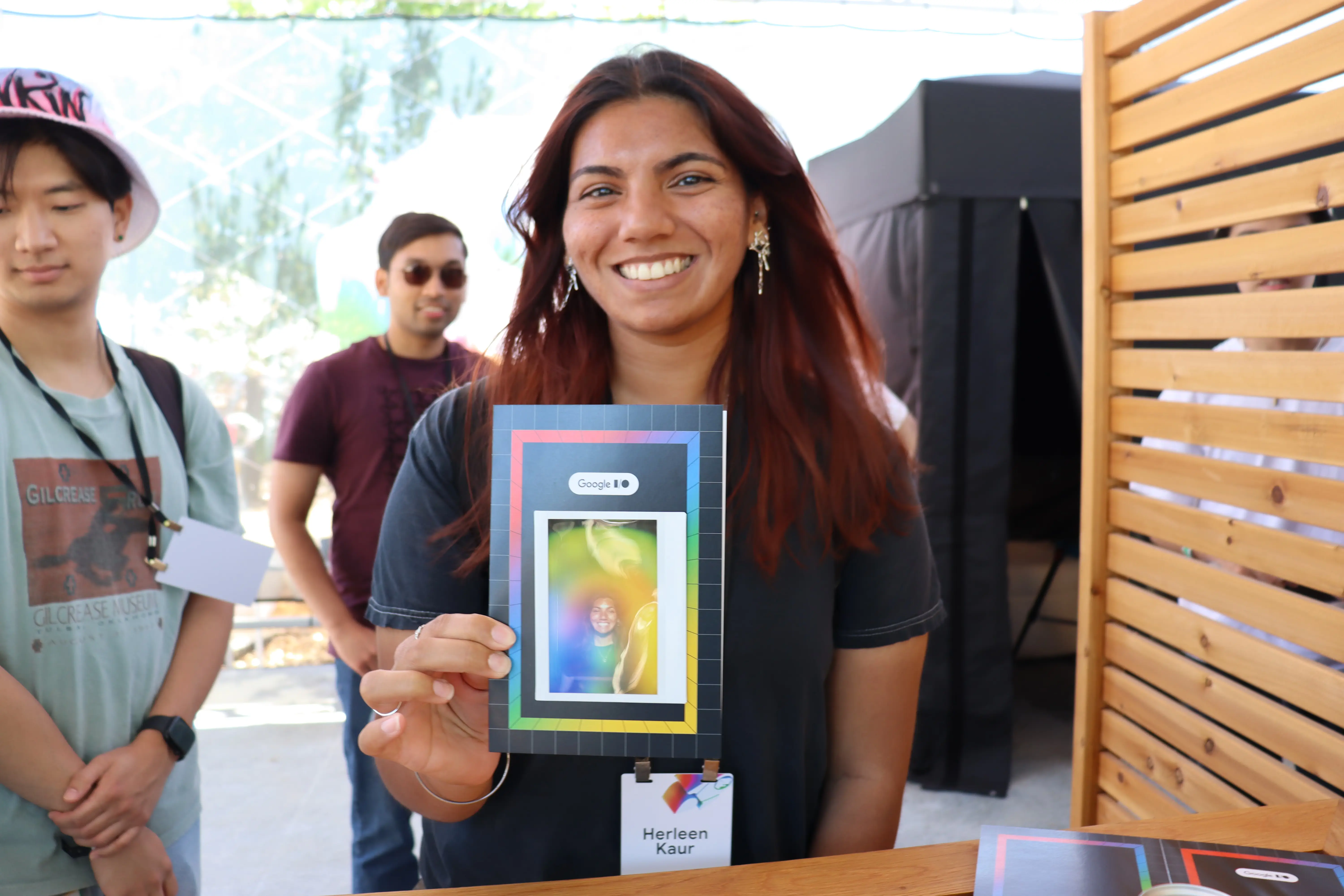
A brand activation in Los Angeles is a live, interactive marketing experience that helps people connect with a brand in a memorable and shareable way. This guide explains how brand activations work, why they perform well in LA, common activation formats, and what brands should measure for success.
Read article
Understanding Aura Colors and What They Reveal About You
Exploring aura colors meaning offers a unique window into the emotional and spiritual patterns that shape your inner landscape. By interpreting these vibrant energy field colors, individuals can deepen their self-awareness, release emotional blockages, and foster significant personal growth. Whether you are seeking emotional wellness or spiritual self-discovery, understanding your aura provides a powerful tool for intentional living and inner balance.
Read article
Why Aura Photos Make Events Unforgettable: A Deep Dive
Aura photography for events creates a vibrant, interactive experience that captures personalized mementos of guests' energy fields. These unique, colorful photos spark curiosity and conversation, making them a powerful tool for boosting attendee engagement and social media buzz. It is a versatile addition that transforms any gathering into a memorable journey of self-discovery and visual storytelling.
Read article