Contents
Introduction
The concept of an aura has fascinated people for centuries. Many spiritual traditions describe an aura as a subtle energy field that surrounds the human body and reflects emotional, physical, and mental states. Today, interest in aura photography technology has grown as modern tools attempt to visualize these invisible energy patterns.
Although the idea of photographing energy may sound mystical, the process is often explained through a mix of electronics, sensors, and imaging systems. From early experimental devices to advanced digital systems, researchers and technologists have explored different ways to translate biological signals into visual imagery.
This article looks behind the lens to examine the technology used in aura photography technology. It explores the scientific principles, imaging tools, and digital systems that contribute to what many describe as visualizing human energy fields.
Understanding Energy Fields in Human Biology
Before discussing imaging systems, it is important to understand the idea of energy fields in relation to the human body.
The human body produces measurable electrical signals. These signals are generated by biological processes such as nerve activity, heart rhythms, and skin conductivity. Medical technology already relies on such signals in devices like electrocardiograms and electroencephalograms.
In the context of aura capture science, some researchers suggest that these bioelectrical signals may influence the surrounding electromagnetic environment. Sensors can detect subtle variations in temperature, conductivity, and electrical resistance. Imaging systems then translate these readings into colors and patterns.
While the interpretation of these patterns remains debated, the technology used to collect the data is grounded in measurable physiological responses.
The Origins of Aura Photography Technology
The roots of modern aura imaging can be traced back to experimental electrical photography.
One of the earliest influences is the development of the Kirlian camera, named after Russian researchers who experimented with high voltage photographic techniques in
the twentieth century. This method involved placing an object on a photographic plate connected to a high voltage source.
The resulting images showed glowing outlines around objects such as leaves, coins, and human fingers. These luminous patterns were created by electrical discharges interacting with moisture and air around the object.
Although the images were sometimes interpreted as energy fields, scientists often explained them as electrical corona discharges. Regardless of interpretation, the technique inspired later developments in aura photography technology.
The Role of the Kirlian Camera
The Kirlian camera remains one of the most widely recognized devices associated with aura imaging.
How the Technology Works
The process generally involves three technical components:
High voltage electrical stimulation
Photographic or digital capture surfaces
Controlled environmental conditions
When an object is placed on the imaging surface, a brief electrical charge passes through the plate. The charge interacts with the moisture and conductivity of the object. This interaction produces visible light patterns known as corona discharges.
These patterns are then recorded on film or digital sensors.
Scientific Interpretation
Researchers studying Kirlian photography have identified several factors that influence the resulting images:
Humidity levels
Skin moisture
Pressure applied to the plate
Electrical conductivity of the object
These variables suggest that the images reflect physical properties rather than a direct representation of a spiritual field. However, the visual effect continues to inspire the concept of photographing human energy.
Biofeedback Imaging in Modern Systems
While early aura photography relied on electrical discharge techniques, modern systems use a different approach known as biofeedback imaging. Biofeedback technology measures physiological signals from the human body. These signals are then interpreted by computer software and converted into visual displays.
In places where interest in experiential imaging continues to grow, searches such as aura photos los angeles often reflect how studios are adopting these biofeedback based systems rather than traditional electrical discharge methods. The shift toward sensor driven imaging allows technicians to capture physiological data and transform it into color based visual interpretations using digital photography tools.
Sensors and Data Collection
Modern aura photography systems often use sensors that detect biological responses from the hands or fingertips. These sensors can measure:
Skin temperature
Galvanic skin response
Electrical conductivity
Pulse or heart rate
These measurements provide data about the body's current physiological state. For example, skin conductivity often changes in response to emotional stress or relaxation.
From Data to Image
Once collected, the sensor data is processed by specialized software. The software converts numerical readings into visual elements such as:
Color gradients
Shapes surrounding the body
Patterns that shift with changing signals
The resulting image is often described as a representation of an individual's energetic state at the moment of capture.
Energy Field Technology and Imaging Systems
Energy field technology in aura photography relies on integrating sensors with digital imaging systems.
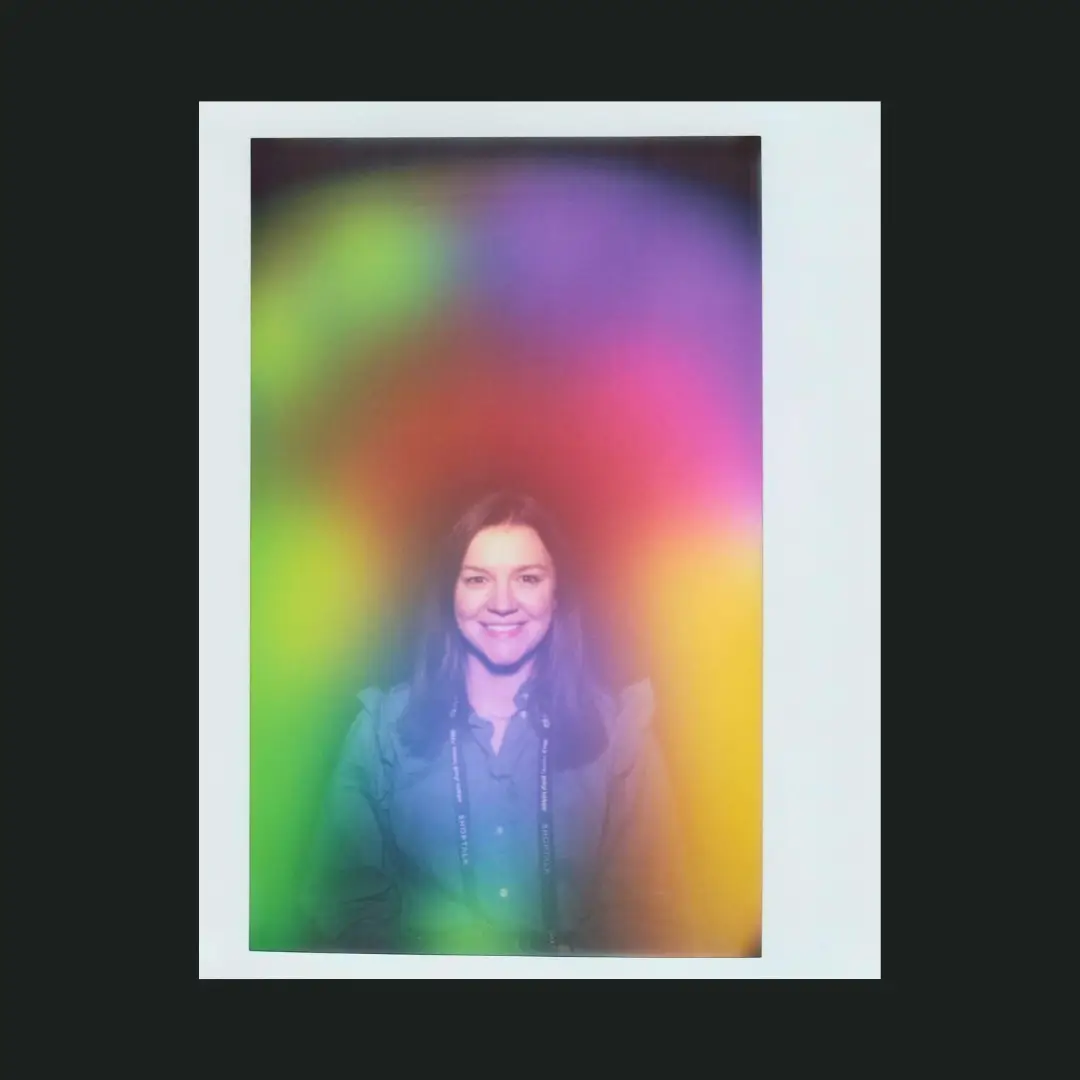
Instead of directly photographing energy, these systems interpret biological measurements and display them visually around a photograph of the subject.
Key Technical Components
Modern systems typically combine several technologies:
Digital cameras
Biofeedback sensors
Signal processing software
Color mapping algorithms
The digital camera captures a standard photograph of the subject. Meanwhile, sensors collect physiological readings from the hands.
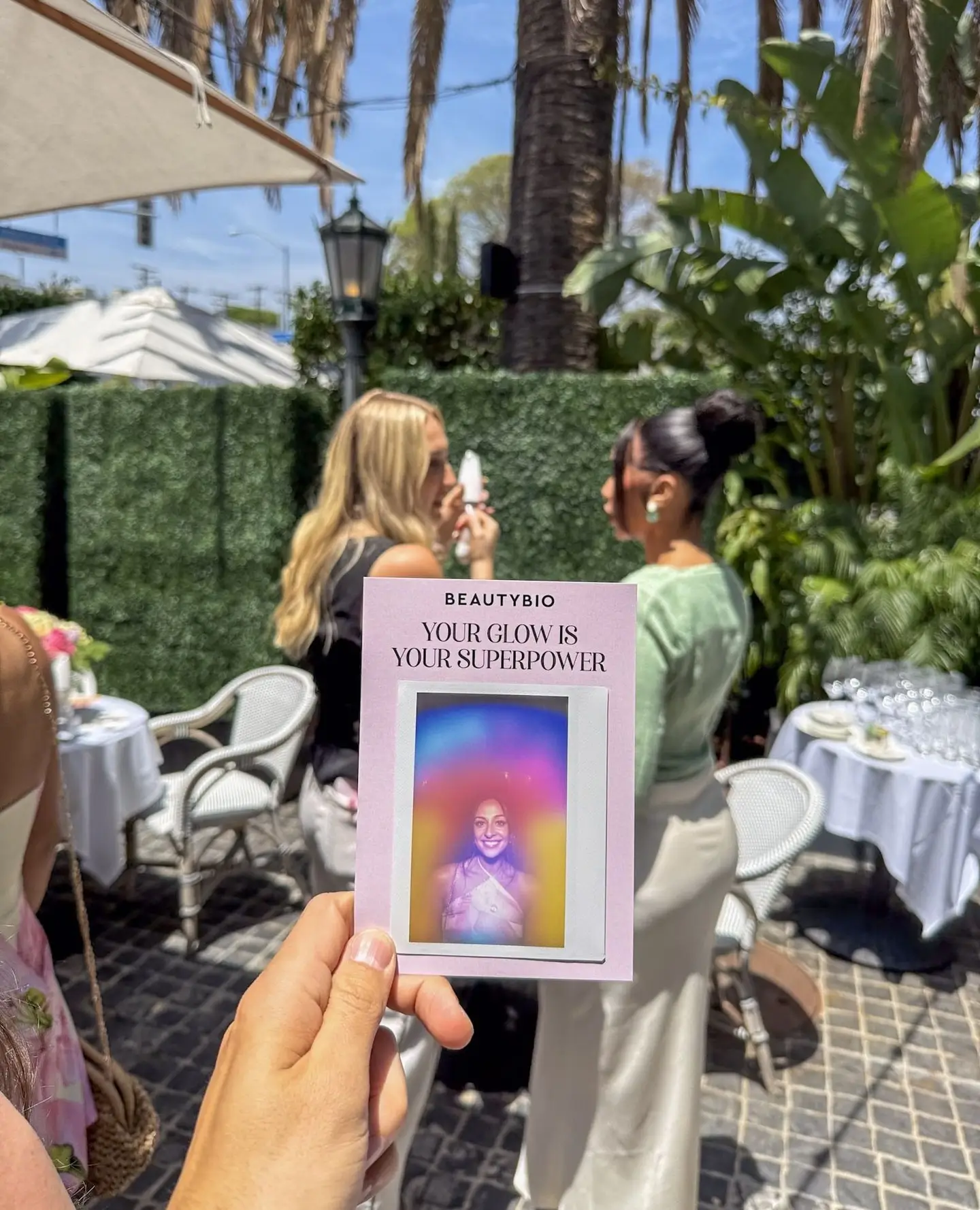
Software then overlays color fields and shapes around the image based on the data received.
Color Mapping Algorithms
Color mapping plays a major role in how the final image appears.
Software algorithms assign specific colors to ranges of physiological signals. For example:
Higher skin conductivity may correspond to warmer colors
Lower conductivity may correspond to cooler tones
These mappings are predetermined by the software design rather than directly observed light emissions.
The Software Behind Aura Capture Science
Software development has significantly advanced the capabilities of modern photography systems.
Processing large amounts of sensor data requires sophisticated algorithms that interpret signals in real time.
Data Interpretation
The software analyzes incoming sensor signals and performs several operations:
Filtering electrical noise from the data
Measuring signal fluctuations over time
Translating signal values into color representations
This process allows the system to generate an image within seconds after the data is collected.
Image Rendering
Once the signals are interpreted, the program renders a visual field around the subject's photograph.
This field may appear as:
Colored halos
Radiating patterns
Multi layered gradients
These visual elements are designed to represent different aspects of physiological activity.
Modern Photography Tech Used in Aura Imaging
Advancements in digital imaging have made aura photography systems more precise and efficient.
Modern photography tech contributes to both image quality and data processing speed.
Digital Sensors
High resolution digital cameras capture detailed portraits of the subject. These cameras ensure that the base image remains clear while software overlays energy field visuals.
Real Time Processing
Powerful processors allow systems to analyze biofeedback signals instantly. This makes it possible to produce results immediately after a scan.
Integrated Hardware Systems
Many modern devices combine sensors, cameras, and computers into a single unit. An example of such equipment is an aura capturing camera, which integrates multiple technologies into one imaging system.
Applications and Public Interest
Interest in aura photography has grown in various locations around the world.
Studios and photography spaces sometimes use these imaging systems as part of experiential or exploratory sessions.
For instance, some people seek services such as aura photography bay area experiences to observe how the imaging technology interprets their physiological signals. Others explore similar services like aura photo new york, where studios use biofeedback based photography equipment.
These experiences often focus on curiosity about how technology translates biological signals into visual form.
Scientific Debate and Skepticism
Despite the technological sophistication behind these systems, aura photography remains a subject of debate.
Scientific Concerns
Researchers often raise several questions:
Whether the images represent actual energy fields
Whether the colors have objective meaning
How environmental variables influence sensor readings
Many scientists argue that the images primarily reflect measurable physiological signals rather than unseen energy emissions.
Alternative Perspectives
Supporters of aura capture science suggest that the images may represent subtle interactions between biological signals and surrounding electromagnetic environments.
However, more controlled studies are required before definitive conclusions can be drawn.
Visualizing Energy Fields Through Technology
The appeal of aura photography lies in its attempt to visualize something normally invisible. Even though the technology relies on measurable physical signals, the visual output creates an interpretation of human energy patterns. In regions where interest in experiential photography and energy based imaging is growing, searches related to aura photos california reflect how people are exploring these visual technologies through studios and imaging sessions.
This intersection of science, imaging technology, and interpretation continues to attract interest from researchers, technologists, and the public. The growing curiosity around this field is driven by several factors that connect technology, human biology, and digital visualization.
Why People Are Interested in Energy Field Imaging
Curiosity about unseen biological signals
Many individuals are intrigued by the idea that the body produces measurable electrical and thermal signals. Imaging systems that translate these signals into colors create a visual way to observe subtle physiological responses.
Advances in sensor technology
Modern sensors are capable of detecting small changes in skin conductivity, temperature, and other biofeedback indicators. These developments make it possible to collect data quickly and convert it into visual displays.
Blending science with visual interpretation
Aura photography technology combines measurable data with artistic color mapping. The result is a digital interpretation that transforms raw sensor readings into a visually engaging image.
Accessibility of modern imaging systems
Compared to early experimental devices, modern systems are more compact and easier to operate. This accessibility has allowed imaging setups to appear in studios, exhibitions, and photography spaces.
Growing interest in alternative visualization tools
People are increasingly interested in tools that interpret the human body in new ways. Whether through thermal imaging, biofeedback displays, or energy field technology, these systems offer unique perspectives on physiological activity.
How Technology Supports the Visualization Process
The process of creating an aura style image usually involves several technological steps working together.
Data collection through sensors
Specialized sensors measure physical signals such as skin conductivity and temperature from the hands.
Signal processing
The collected signals are processed through software algorithms that analyze patterns and signal strength.
Color mapping and image generation
Software converts signal ranges into specific colors and patterns that appear around the photographed subject.
Digital image overlay
The visual energy field is layered onto a standard portrait photograph to produce the final image.
Through these processes, technology attempts to translate biological signals into visual representations that people can easily observe and interpret. This combination of measurement, computation, and digital imaging continues to shape the development of modern aura photography systems.
Future Developments in Energy Field Imaging
As sensor technology continues to improve, new possibilities may emerge in the field of energy visualization.
Potential developments may include:
Advanced Biosensors
Future devices may capture more detailed physiological data, including:
Brainwave activity
Micro temperature changes
Subtle electromagnetic variations
Artificial Intelligence Analysis
Machine learning algorithms could analyze complex patterns in biological signals. This might allow more accurate interpretations of physiological states.
Higher Resolution Imaging
Improved imaging systems may combine thermal cameras, biofeedback sensors, and electromagnetic detectors to create more detailed visual representations.
These technologies could push the boundaries of what current aura photography technology can display.
Conclusion
The technology used to capture images associated with human energy fields combines elements of electrical experimentation, biofeedback sensing, and modern digital photography. From the early experiments with the Kirlian camera to contemporary biofeedback imaging systems, the field has evolved significantly.
Today’s aura photography technology does not directly photograph an invisible field surrounding the body. Instead, it measures physiological signals and converts them into visual patterns through software algorithms and imaging techniques.
While debate continues about the interpretation of these images, the underlying technologies illustrate how modern tools can transform biological data into compelling visual experiences.
FAQ
What is aura photography technology?
Aura photography technology refers to imaging systems that use sensors and software to measure physiological signals from the human body and convert them into visual representations around a photograph.
How does a Kirlian camera work?
A Kirlian camera uses high voltage electrical charges to produce corona discharge patterns around objects placed on a photographic surface. These patterns are captured as glowing outlines in the resulting image.
Is aura photography scientifically proven?
The technology behind aura imaging uses measurable physiological signals. However, the interpretation of the resulting colors and patterns as energy fields remains scientifically debated.
What is biofeedback imaging?
Biofeedback imaging involves measuring biological signals such as skin conductivity, temperature, and pulse. These signals are then processed by software and displayed as visual patterns.
Can aura photography detect emotions?
Some systems use changes in skin conductivity and other signals that can vary with emotional states. The software interprets these signals and may represent them as different colors or patterns in the image
Related Services
More Articles

How Experiential Marketing Helps Brands Stand Out in LA
Experiential marketing helps brands stand out in Los Angeles by turning attention into participation. This guide explains how live brand activations, immersive events, and personalized experiences help brands boost engagement, visibility, and long-term recall in a competitive LA market.
Read article
What Is a Brand Activation in Los Angeles?
A brand activation in Los Angeles is a live, interactive marketing experience that helps people connect with a brand in a memorable and shareable way. This guide explains how brand activations work, why they perform well in LA, common activation formats, and what brands should measure for success.
Read article
Understanding Aura Colors and What They Reveal About You
Exploring aura colors meaning offers a unique window into the emotional and spiritual patterns that shape your inner landscape. By interpreting these vibrant energy field colors, individuals can deepen their self-awareness, release emotional blockages, and foster significant personal growth. Whether you are seeking emotional wellness or spiritual self-discovery, understanding your aura provides a powerful tool for intentional living and inner balance.
Read article