Contents
Experiential marketing helps brands stand out in Los Angeles by turning attention into participation. This guide explains how live brand activations, immersiv
Is aura photography real? Yes and no. The cameras and biofeedback sensors are real, and they genuinely respond to your body. What has never been scientifically validated is the aura itself, the idea of a supernatural energy field, and the meanings assigned to the colors are interpretive rather than measured. Real hardware, artistic interpretation. That is the honest answer, and everything below unpacks it.
In this article we cover what the sensors actually measure, how the AuraCam 6000 turns those readings into a portrait, the science that debunked the older Kirlian version, and what we have observed running thousands of readings at events nationwide since 2019. The Aura Journey has photographed guests for more than 1,500 brands, and we would rather explain the technology honestly than oversell it.
If you are planning an event and want an activation that sparks exactly this kind of curiosity, you can get a custom quote for your event and our team will build a package around your goals, anywhere in the US.
Aura Photography Myths vs Reality
Most confusion about whether aura photography is real comes from mixing up three separate claims: what the camera is, what it measures, and what the colors mean. This table separates them.
Claim | True? | What is actually happening |
The camera photographs an invisible energy field | No | No instrument has ever imaged an aura |
The hand sensors are real and respond to your body | Yes | They measure electrical properties like skin conductivity |
The colors are random | No | Software maps sensor readings to a color spectrum |
Science proves what each color means | No | Color meanings are an artistic interpretation |
Your photo can reveal health or the future | No | No research supports this, and we never claim it |
Five common claims about aura photography, sorted into what is real and what is interpretive.
What Aura Photography Actually Is
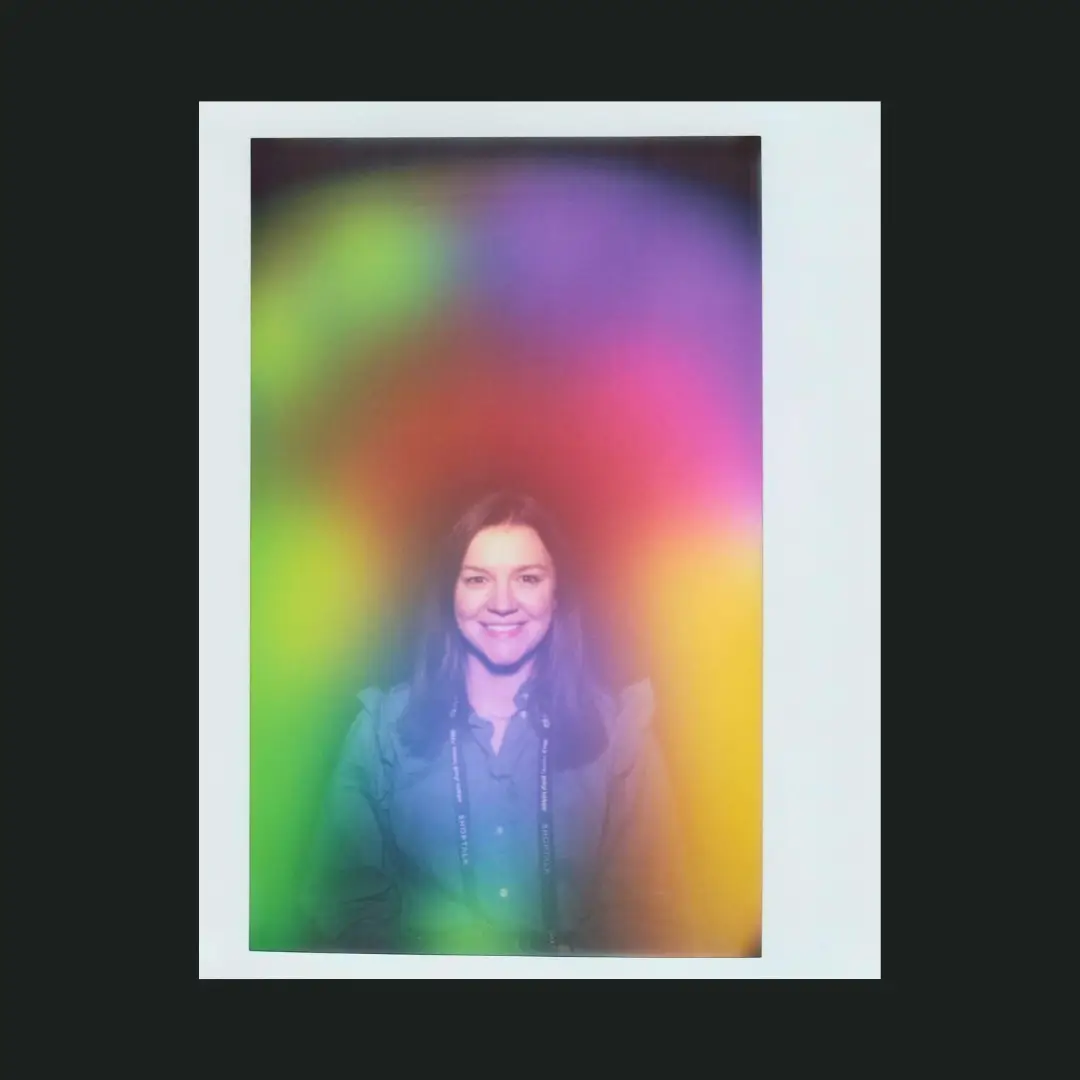
Aura photography is a portrait technique built on biofeedback. Sensors, usually two hand plates, measure electrical properties from the hands, such as skin conductivity and related physiological signals, and the camera’s software converts those readings into colors layered over your photo. The result is a one-of-a-kind instant print surrounded by a glow of color, which a reader then interprets with you one-on-one.
The camera never photographs an energy field directly. It measures, then it renders. If you want the experience from the guest’s side, our guide to how aura photography works walks through a full session step by step.
What does "biofeedback" mean?
Biofeedback is the measurement of natural physiological signals from the body. Common examples include:
• Skin conductivity (how easily your skin carries a tiny electrical signal)
• Temperature
• Pulse variability
These measurements are real. The interpretation of the resulting colors is artistic rather than scientifically validated.
How the AuraCam 6000 Works Today
The AuraCam 6000 is a dual-exposure instant camera paired with hand sensors, made by the same California company Guy Coggins founded. Here is a session from start to finish:
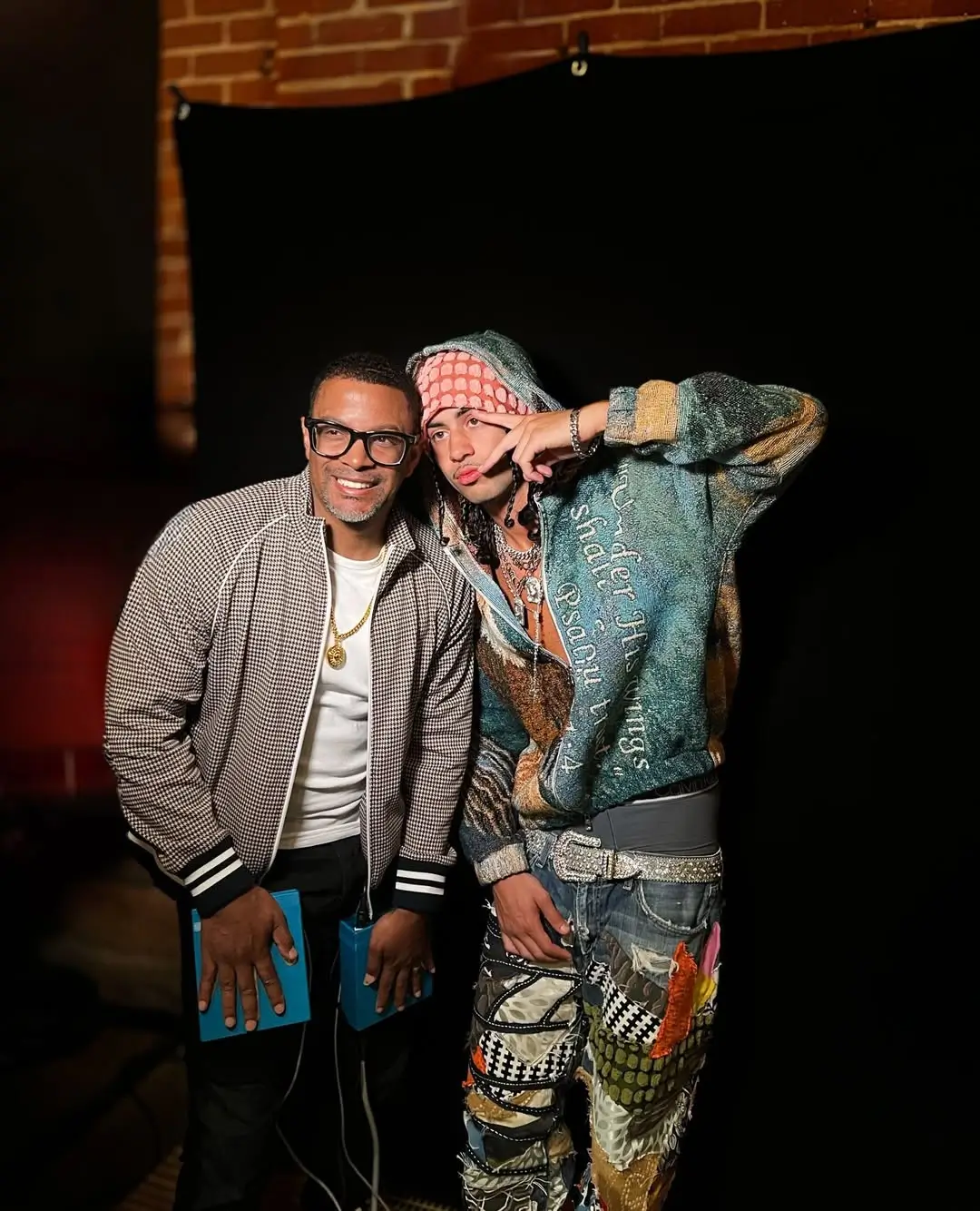
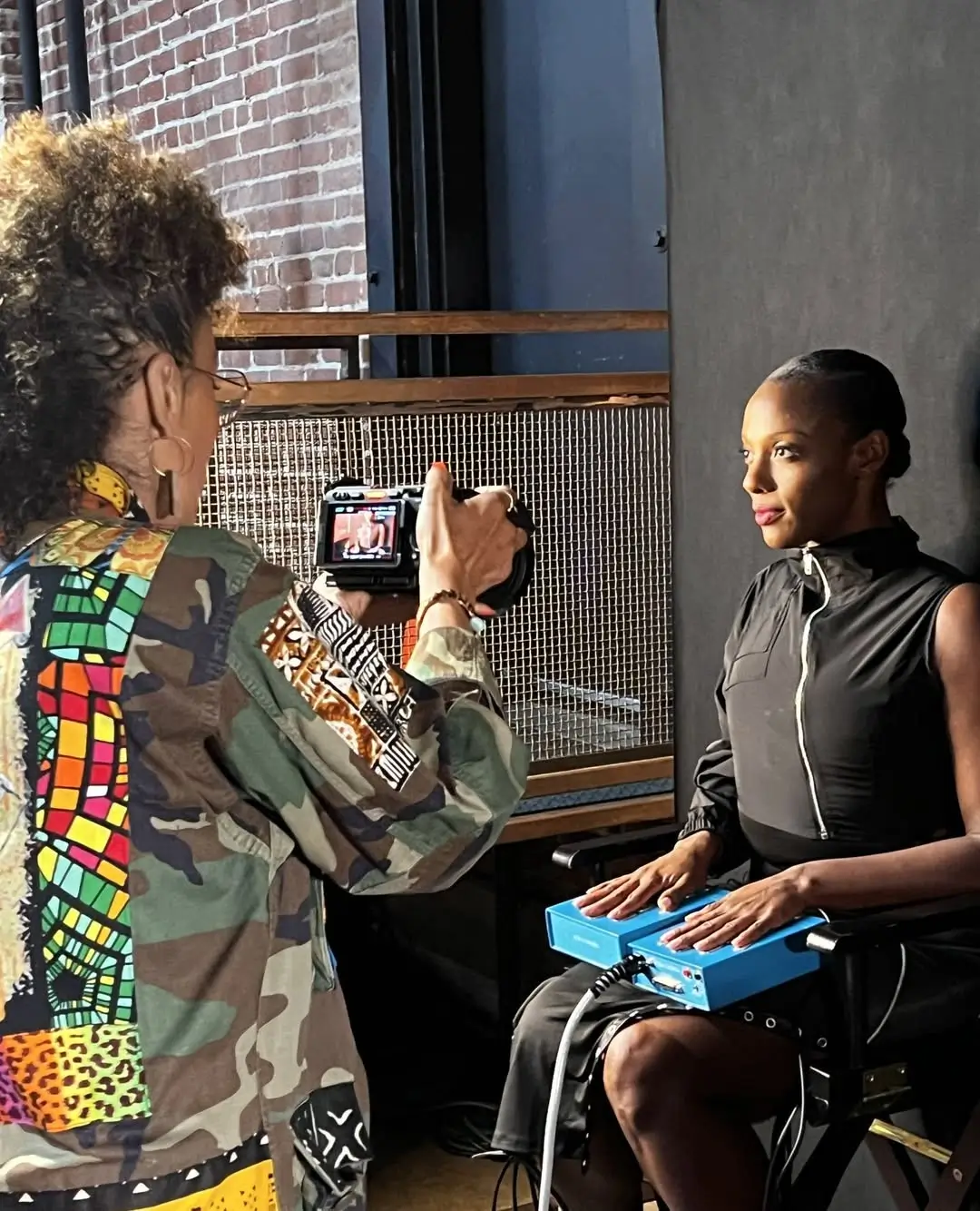
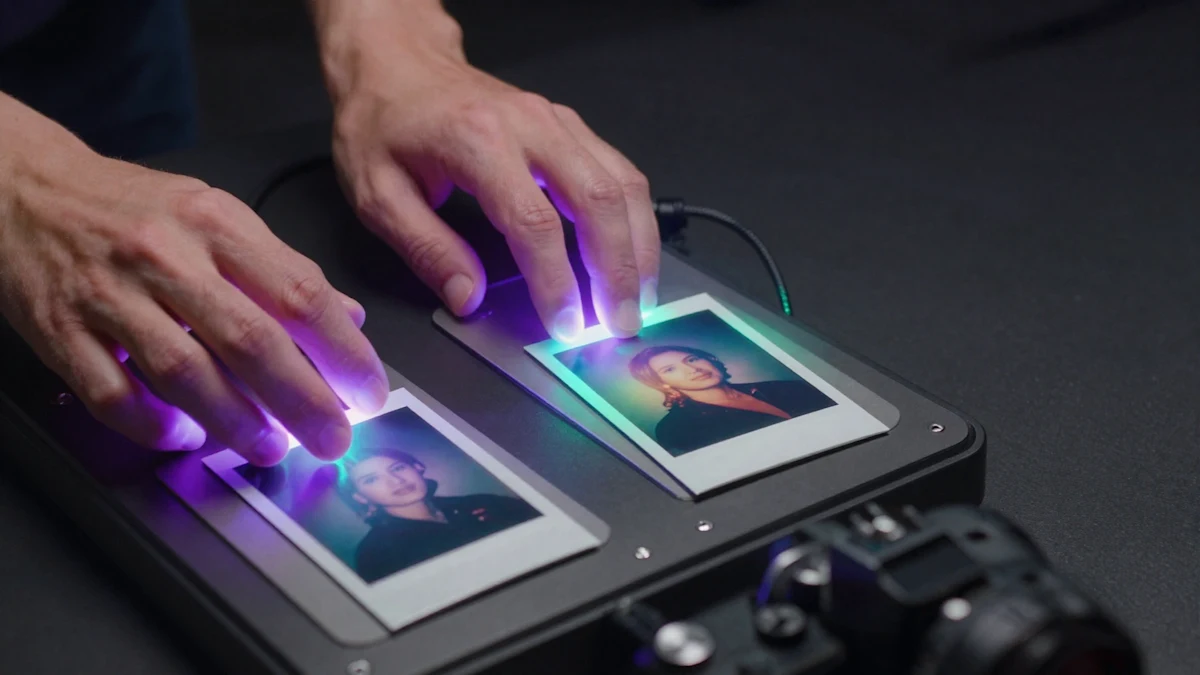
You rest your hands on two ergonomic sensor plates connected to the camera.
The plates measure electrical properties from contact points on your palms, including skin conductivity, in the same family of measurement a smartwatch uses for stress readings.
The camera’s software maps those readings to positions on a defined color spectrum.
A second exposure layers the color data over your portrait, and the print develops in front of you as a full-color Instax Polaroid.
An on-site expert gives you a personalized interpretation, and the print goes home in a protective envelope.
Because the sensors respond to live physiological variables, no two sessions match. Hydration changes skin conductivity. Cold hands read differently than warm ones. Even how firmly you press the plates shifts the signal. Two people photographed minutes apart, or the same person on two different days, will get visibly different results. That is not a malfunction. It is the system working as designed, responding to your body in that exact moment.
A Brief History: From Kirlian Film to the AuraCam
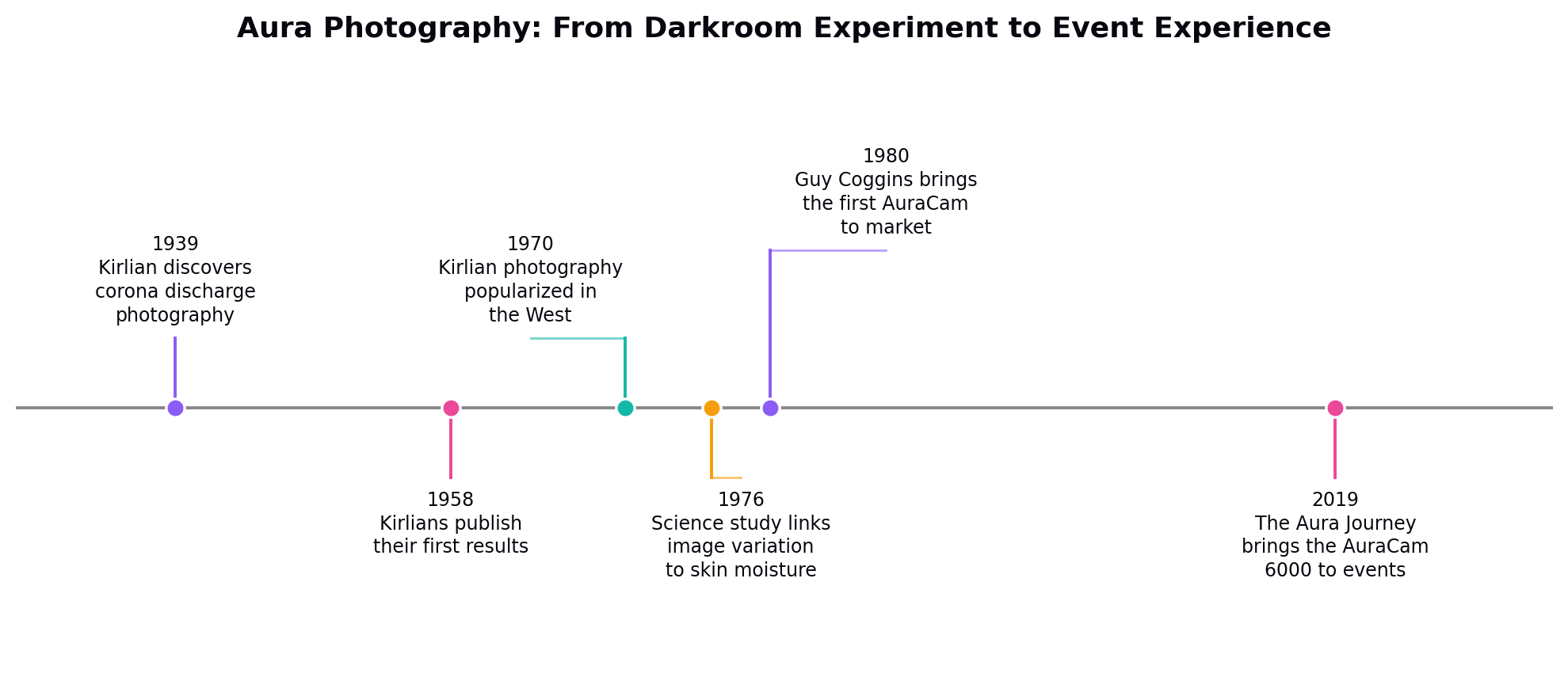
The older ancestor of today’s aura portrait is Kirlian photography, discovered in 1939 when Soviet electrician Semyon Kirlian found that film charged with high voltage records a glowing halo around whatever touches it. Many believed the glow was a life force. Physics disagreed: the halo is a corona discharge, and a 1976 study published in Science showed that most of the variation in Kirlian images of living subjects comes down to skin moisture.
Modern aura cameras dropped the high voltage entirely. In the New Age scene of the 1970s, engineer Guy Coggins linked an instant-film camera to hand sensor plates, releasing the AuraCam 3000 in the early 1980s and later the AuraCam 6000, a lineage documented in Artsy’s history of aura photography and in the official AuraCamera company history, which itself describes the system as a creative tool for entertainment and self-reflection.
What We See at Thousands of Readings
Running aura stations since 2019 has given our team a view of this question that no lab study captures. A few patterns repeat at almost every event.
Skeptics become our most curious guests. At conferences, the person who opens with "you know this is pseudoscience, right?" is usually the one still at the station ten minutes later, asking how the sensor mapping works. Once the technology is explained honestly, skepticism turns into genuine interest in the engineering.
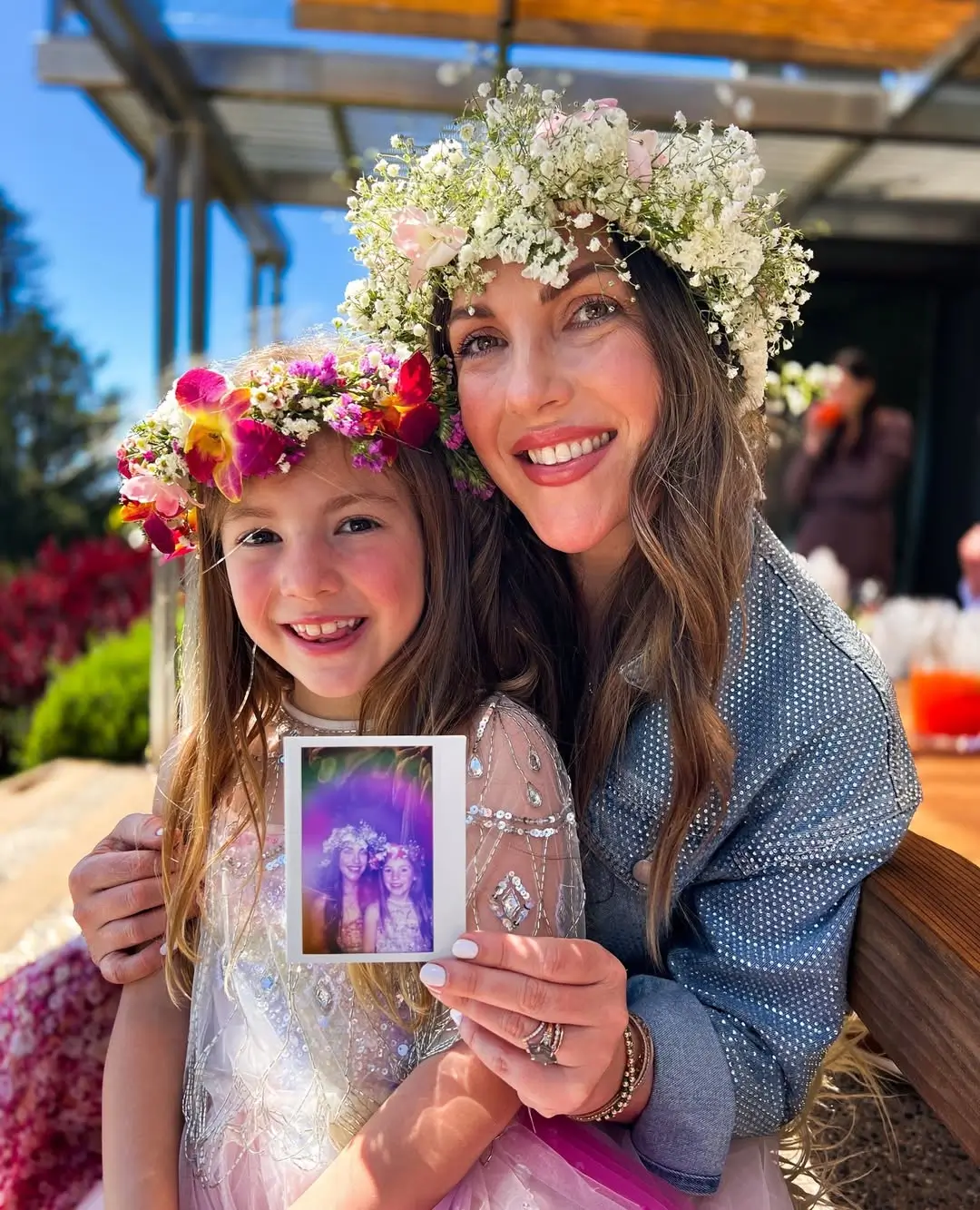
Guests also compare photos across time. People who have done aura photography before often bring up a photo from months or years earlier, and while the colors have almost always changed, what they actually remember is the conversation from the reading, not the print itself. The photo is the souvenir. The reading is the experience.
Aura Photography in Action: Event Samples
The question "is it real" plays out differently depending on the room. Here is how the same station works across five very different event types.
Corporate events
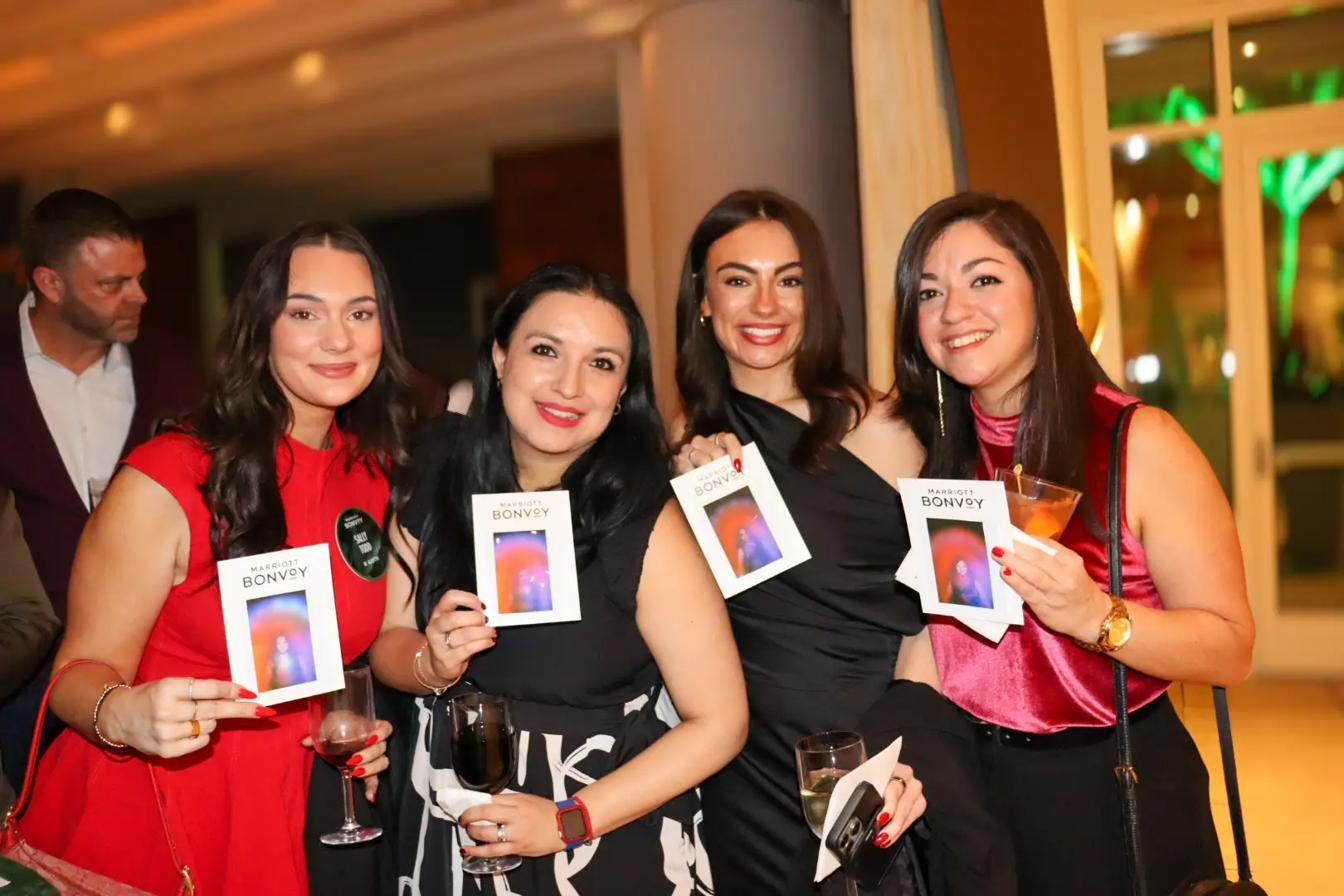
At corporate events and team offsites, the reading works as a structured icebreaker. Colleagues compare prints, and the color vocabulary gives people an easy, low-stakes way to talk about themselves. Prints can carry the company logo, so the keepsake doubles as a piece of the event’s identity.
Weddings
At weddings and private events, dual-sensor portraits let couples and guests be photographed together, each person’s reading rendered side by side in one frame. The prints become favors guests actually keep, and the reading line often turns into its own social hub during the reception.
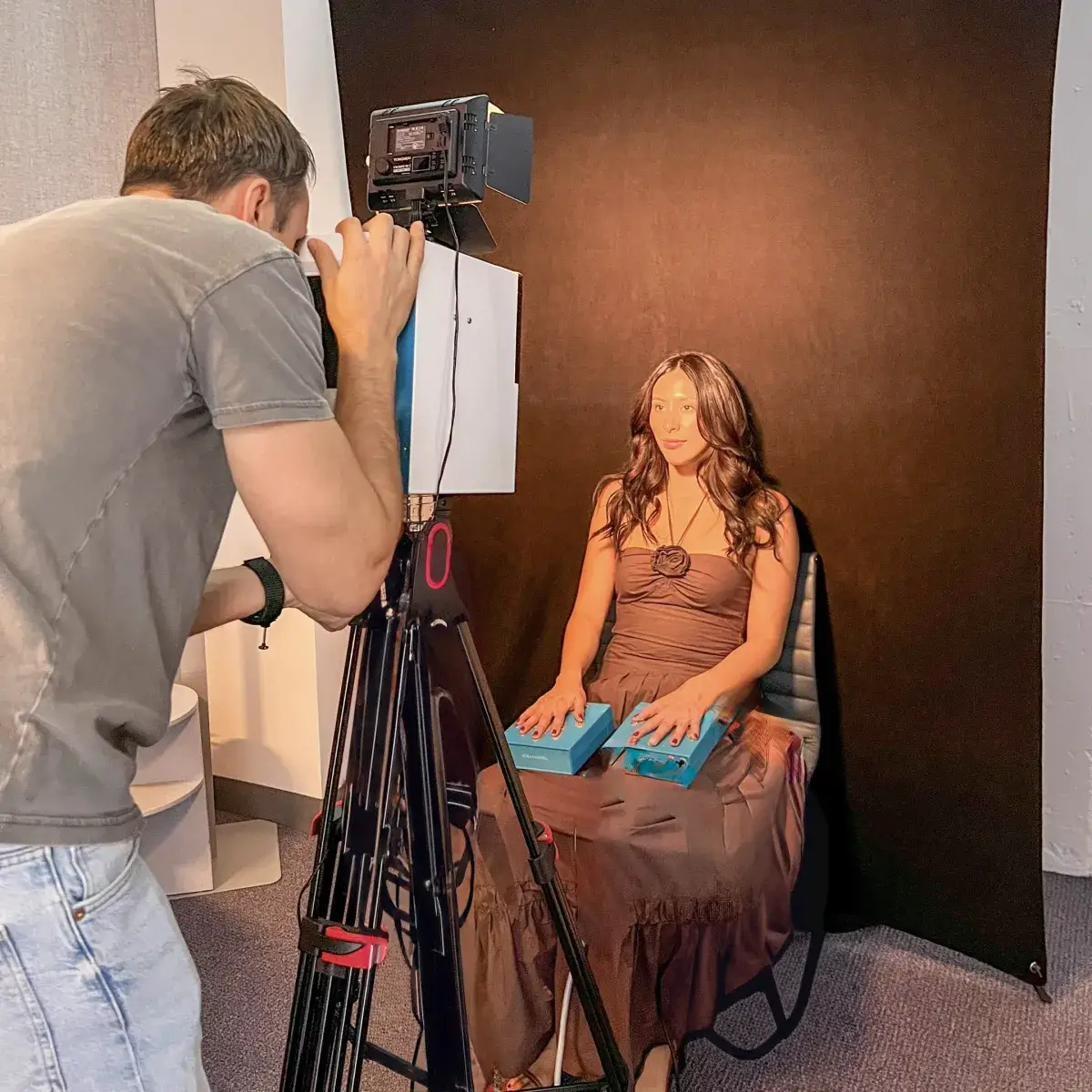
Conferences
Between sessions, attendees want a reason to stop moving. A five-minute reading is a genuine break, and because every result is unique, it gives strangers at the same conference something to compare over coffee. This is also where the science conversation happens most, which suits us fine.
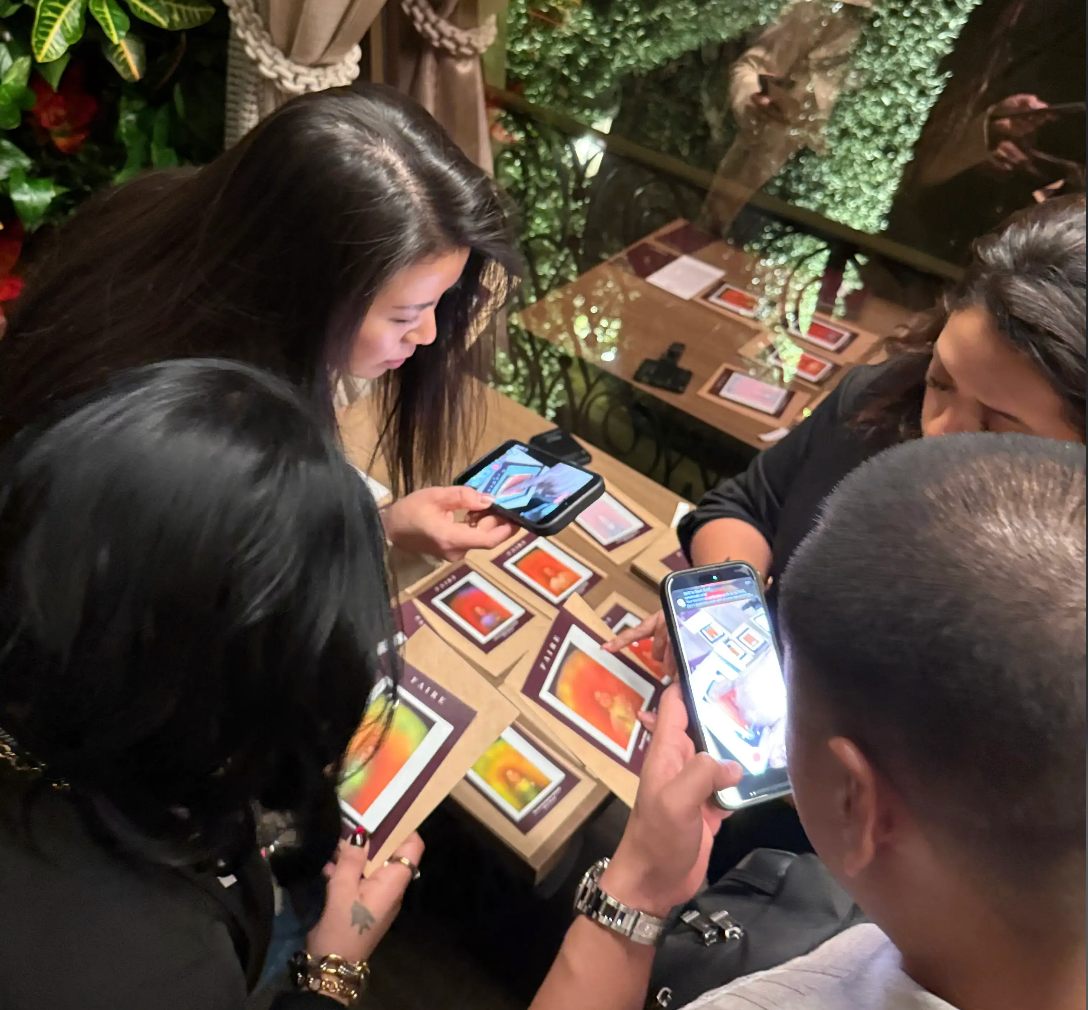
Trade shows
On an expo floor, the station earns its space in dwell time. At trade shows and conferences we consistently see guests spend 3 to 5 times longer at an aura station than at a standard photo activation, because a personal reading cannot be rushed the way a selfie can. That time is when booth staff qualify leads.
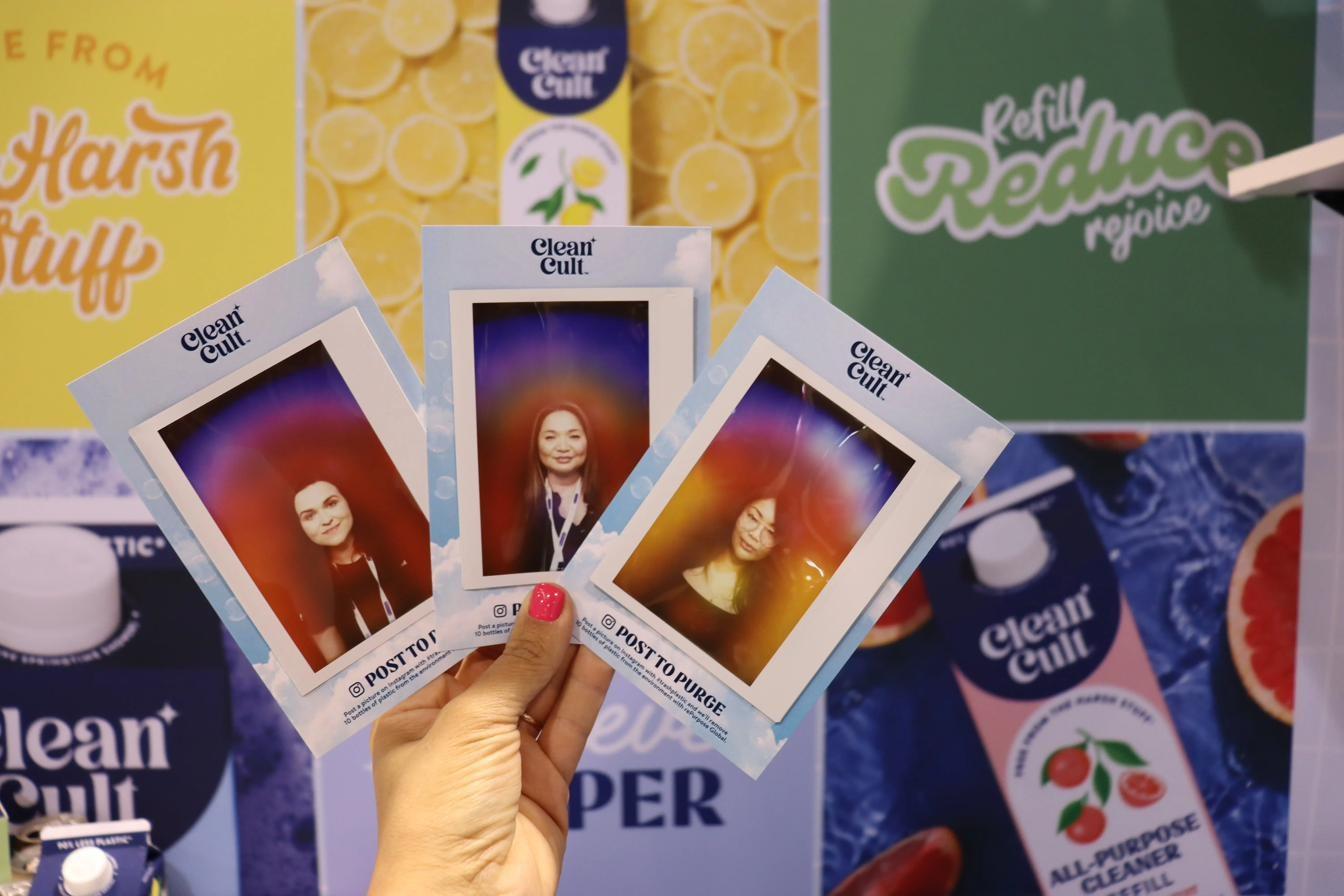
Retail and brand activations
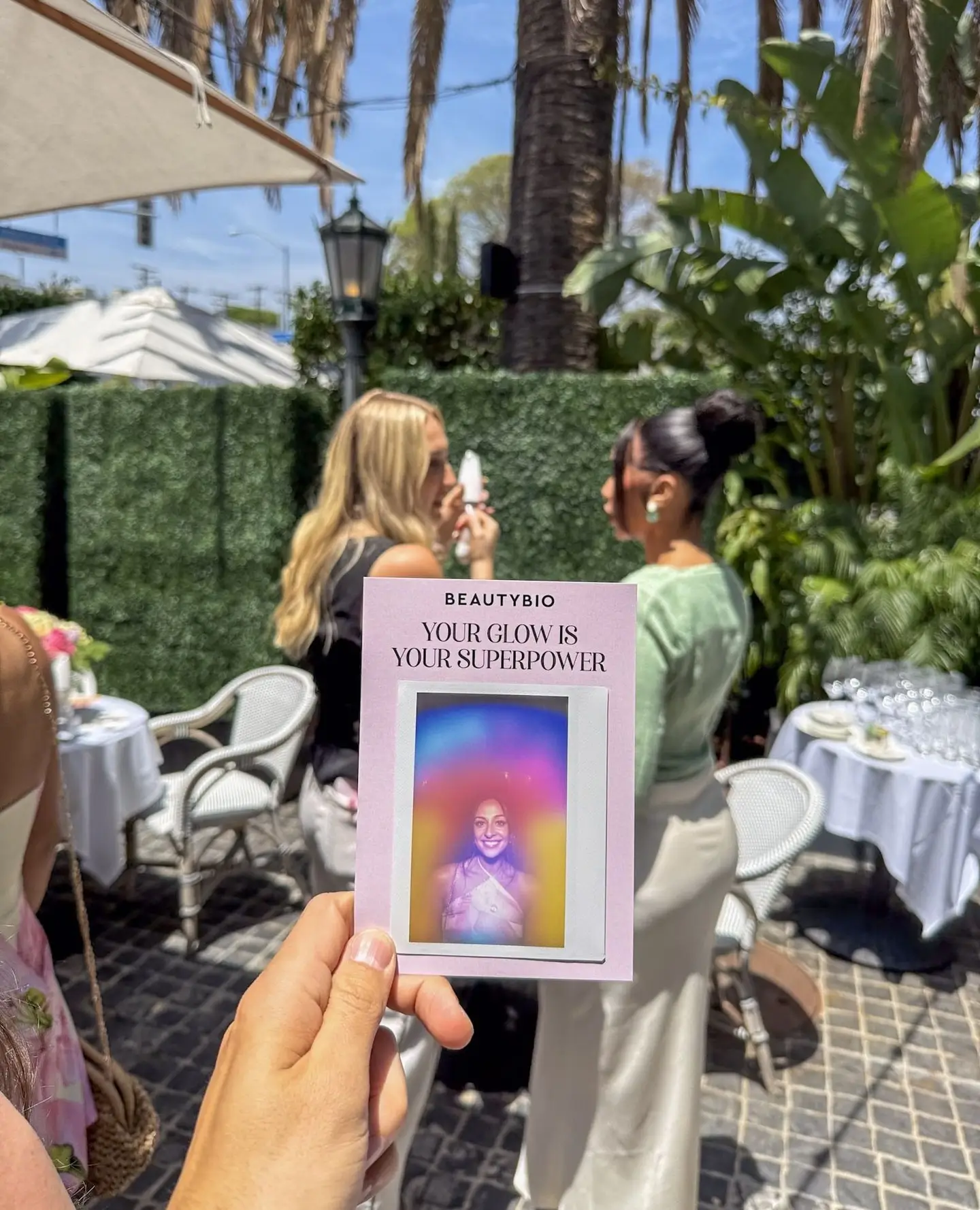
For brand activations and retail pop-ups, the print is the media. Custom-branded aura Polaroids get photographed and shared organically on Instagram and TikTok, no incentive required, because guests are posting something personal, not an ad.
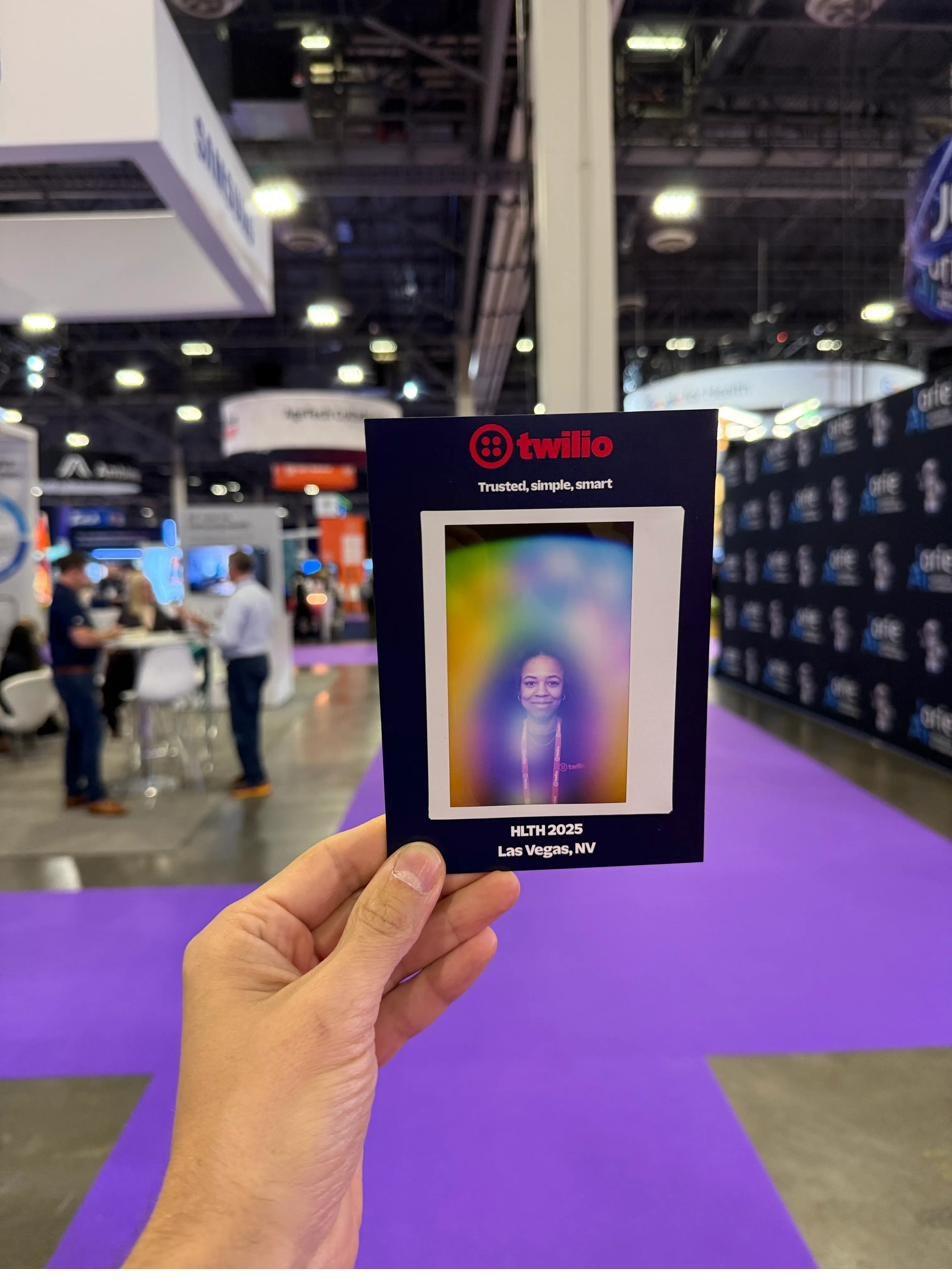
Why Aura Photography Resonates, Even with Skeptics
If the colors are interpretive, why does the experience land so consistently? Psychology offers a grounded answer: research in the Proceedings of the National Academy of Sciences found that sharing information about yourself activates the brain’s reward system. A reading is a structured, low-stakes invitation to reflect on yourself for a few minutes, guided by a color prompt. Comparing aura color meanings with a friend starts conversations a standard photo booth never could, whatever you believe about energy fields.
Reading about the technology is one thing. Watching your own print develop while someone walks you through your colors is another. Curious what that would look like at your event? You can book The Aura Journey for your next event and see the reaction for yourself.
Where to Book Aura Photography Near You
The Aura Journey is a Los Angeles based, fully mobile aura photography service. We are not a walk-in studio; we bring the complete experience, camera, backdrop, expert readers, and branded prints, to events in all 50 states, with primary hubs across the country.
Hub | Popular event types |
Los Angeles | Agency offsites, influencer events, product launches, festivals across greater LA and Orange County |
New York | Corporate gatherings, expos, and brand activations, with dual-sensor portraits popular for colleagues and couples |
Las Vegas | Conferences, trade shows, and expo booths, where the station doubles as a lead-generation magnet |
San Francisco | Tech summits, product launches, and wellness events at venues like Moscone Center and Fort Mason |
Arizona | Resort galas, leadership retreats, and wellness days around Scottsdale and Phoenix |
Primary hubs for The Aura Journey’s mobile aura photography service.
If your event is in one of our hub cities, local logistics are simple: explore aura photography in Los Angeles, aura photography in New York, or aura photography in Las Vegas for city-specific details. Outside a hub, we travel. You can check dates for your Los Angeles activation, or any other city, and we will confirm coverage for your venue.
TL;DR
Aura photography is real technology with interpretive meaning: biofeedback sensors genuinely measure electrical properties from your hands, but science has not validated auras as energy fields, and color meanings come from tradition rather than research. The best way to enjoy it, and the way The Aura Journey presents it at events, is as an honest, personal, entertainment-based experience of self-reflection.
Common Questions About Aura Photography
These are the questions people most often search alongside "is aura photography real," pulled from real query data plus the questions guests ask at our stations.
1. Is aura photography real or fake?
Neither label fits cleanly. The cameras and biofeedback sensors are real and genuinely respond to your body, so the photos are not random. The "fake" part only enters if someone claims the colors scientifically reveal your soul, health, or future, which credible providers do not.
2. Are aura photo booths real?
Yes, aura photo booths at events use the same real equipment as studio aura portraits, most often an AuraCam 6000 with hand sensors. A professional setup produces a genuine double-exposure instant print from your session, not a pre-made filter or stock overlay.
3. Why do two people standing together get different colors?
Because the sensors read each person’s hands independently. Skin conductivity, temperature, and moisture differ from person to person at any given moment, so the software maps each set of readings to its own colors. That is why dual portraits at weddings show two distinct auras in one frame.
4. Why can the colors change from day to day?
The readings track live physiological variables. Hydration, skin temperature, stress, and recent activity all shift skin conductivity, so the same person produces different measurements on different days. Guests who return months apart almost always see a changed photo.
5. Why does hydration affect the reading?
Skin conductivity depends heavily on moisture. Well-hydrated hands carry the sensor’s signal differently than dry hands, so the readings shift and the color mapping shifts with them. It is the same reason the older Kirlian technique was so sensitive to moisture on the skin.
6. Does hand pressure matter?
Yes. Pressing the plates harder increases the contact area between your palms and the sensors, which changes the signal the camera records. Our readers coach guests into a relaxed, consistent hand position so the reading reflects their baseline rather than their grip.
7. Why do studios sometimes produce different results?
Camera calibration, room temperature and humidity, and even the film stock vary between setups. The same person can sit for two aura portraits at two studios on the same day and get noticeably different prints, because the conditions feeding the sensors are not identical.
8. Why might two operators interpret the same image differently?
The color-to-meaning mapping is a human, interpretive layer, not a fixed scientific key. Readers draw on overlapping but not identical color traditions and phrase things in their own way, so two experts can offer different readings of the same print. This is exactly why we frame every reading as reflective rather than definitive.
9. Can aura photography read my future or diagnose my health?
No. Aura photography is not a medical, psychological, or predictive tool, and no research supports using it that way. Reputable readings are framed as interpretive and reflective, a starting point for conversation rather than a diagnosis or a forecast.
Curious to experience it yourself? Seeing an aura photo develop in front of you, and hearing a live interpretation of your colors, is very different from reading about it online. The Aura Journey has created these moments for more than 1,500 brands since 2019, with mobile setups that travel nationwide. Request a quote for your event date and our team will get back to you with a tailored package.
A Note on Aura Photography: Aura photography is an interpretive, entertainment-based experience. Aura images and color readings reflect biofeedback measurements translated into color and are intended for reflection, connection, and enjoyment. They are not a medical, psychological, or predictive tool.
Related Services
More Articles
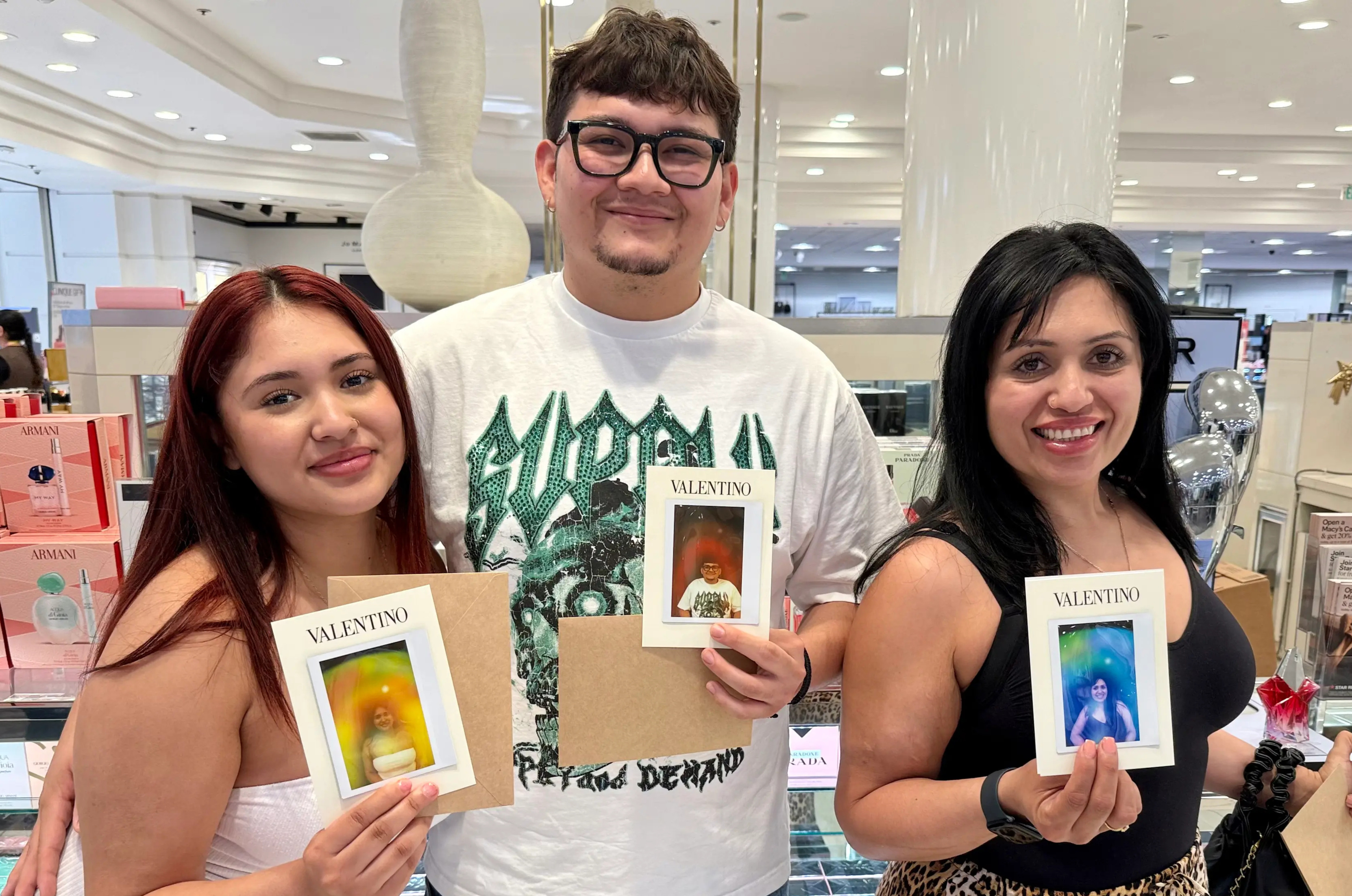
How Aura Photography Supports Wellness and Self Reflection
Aura photography can be a visual tool for mindfulness, emotional awareness, and personal reflection.
Read article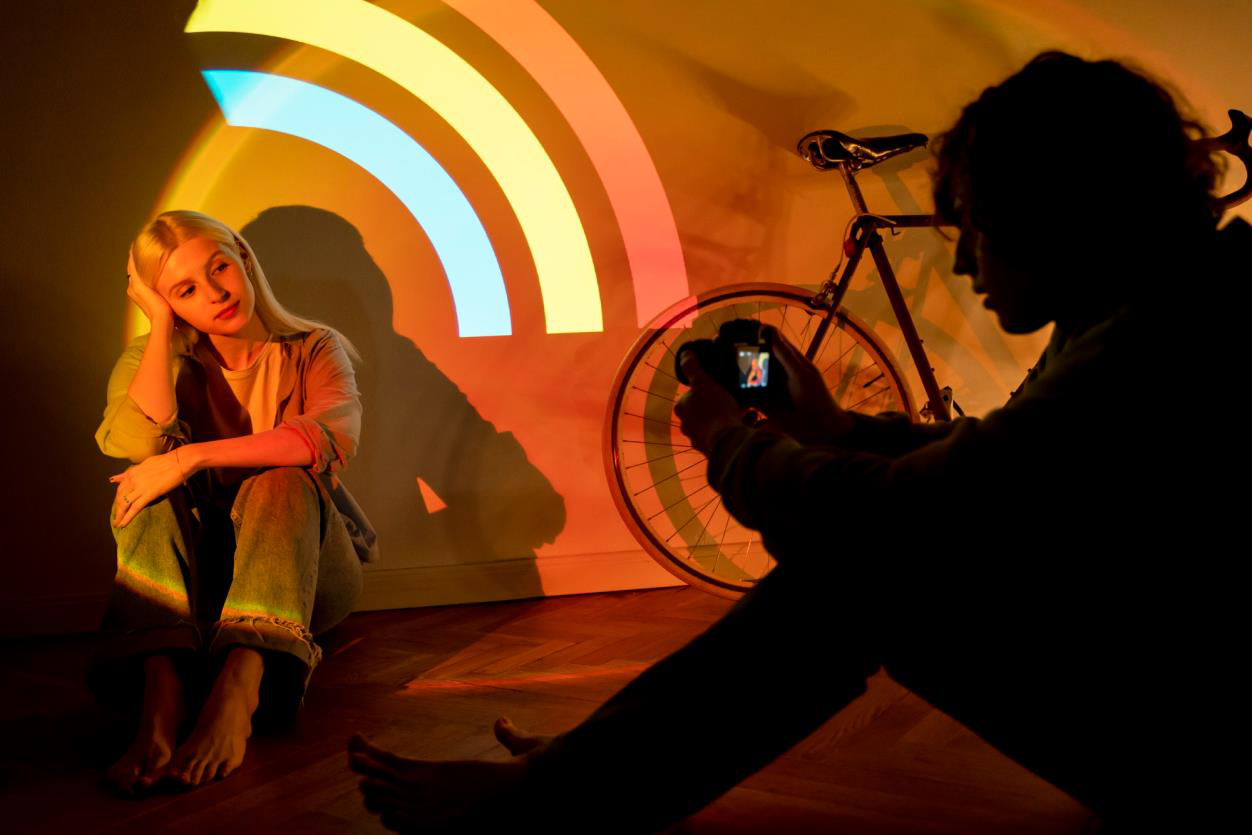
Using Aura Photography to Boost Your Brand Activation
Aura photography brings personalization and interaction to brand activations, helping attendees engage more deeply with the experience. By combining colorful aura photos with individual interpretations, brands can create memorable moments that encourage participation, conversation, and social sharing. Learn how aura photography supports experiential marketing, increases audience engagement, and helps brands stand out at conferences, trade shows, product launches, and corporate events. This guide explores the benefits, considerations, and best practices for incorporating aura photography into a successful brand activation strategy.
Read article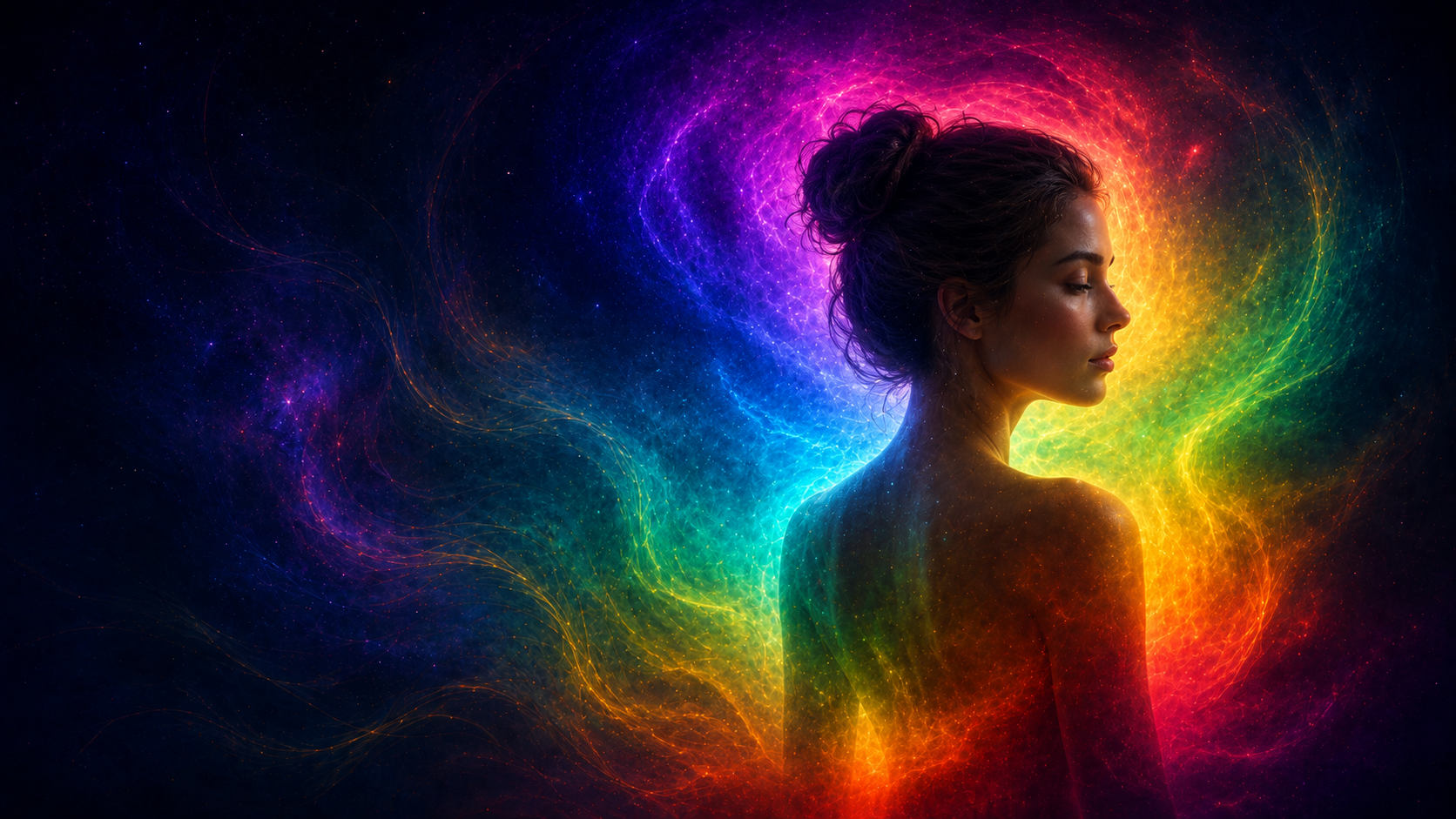
Behind the Lens The Technology That Captures Your Aura
The article explains how aura photography technology works using biofeedback sensors, digital cameras, and software. It covers the history of Kirlian photography, how modern systems measure signals like skin conductivity and temperature, and how software turns that data into colored aura images. It also discusses the scientific debate around whether these images represent actual energy fields or simply physiological responses.
Read article